Last updated: October 2026
I loved driving in Tuscany. The hill roads above Pescia, the bends through the chestnut woods, the moment a village appears round the corner. But there are a few things that catch out nearly every visitor, and one of them can cost you hundreds of euros without you even noticing.
So here’s what I’d tell a friend before they picked up the keys.
The ZTL: read this bit twice
A ZTL (zona a traffico limitato, or limited traffic zone) is an area, usually a historic centre, where only residents and permit holders can drive. Lucca, Pistoia, Florence, Pisa and plenty of smaller towns have them.
They’re watched by cameras. Drive past the sign when the zone is active and a camera reads your number plate. No barrier, no flashing light, no one waves you down. Months later, a fine arrives. If it’s a hire car, the hire company passes your details to the police and usually charges you an admin fee on top.
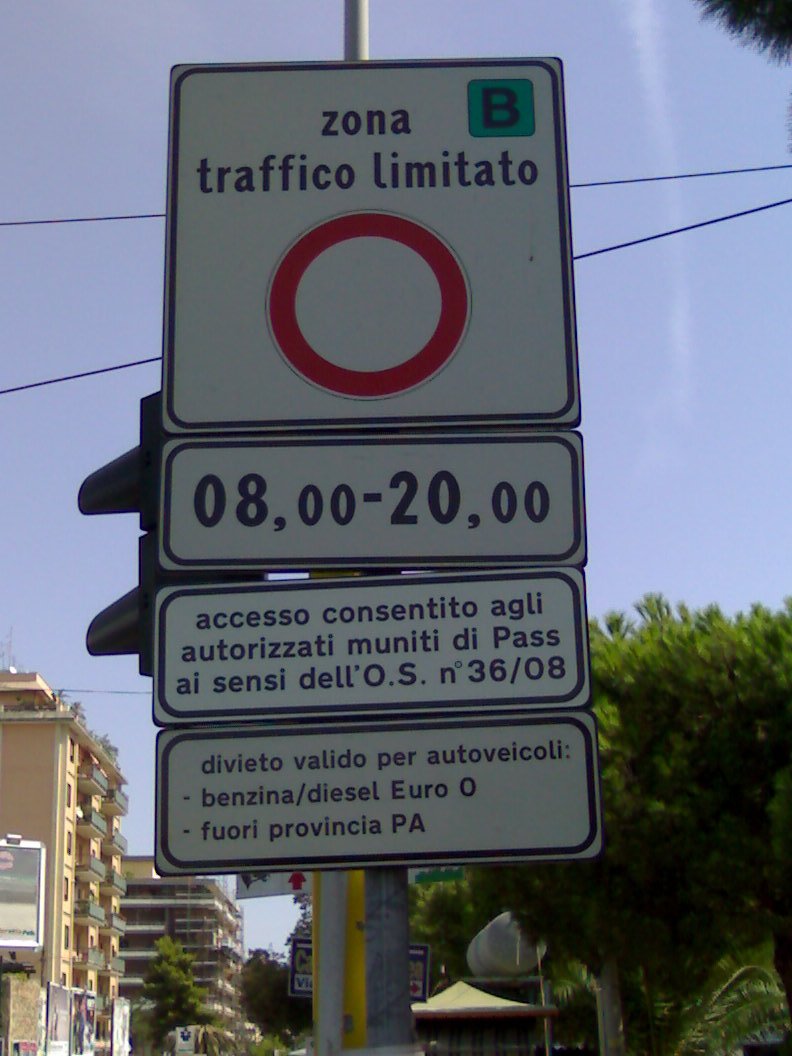
The sign is a white circle with a red border, with “zona traffico limitato” written above it and the times underneath. Often there’s an electronic panel saying “varco attivo” (gate active: don’t enter) or “varco non attivo” (gate not active: you can enter). If in doubt, don’t.
The fine is set by the Italian Highway Code. It’s per entry, so going in and out twice on the same day can mean two fines. Reports from Lucca in 2026 put it at around €100 a time.
Lucca
Lucca has had a ZTL inside the walls for years, and in early 2026 it brought in new camera gates, which check cars going out as well as coming in. My advice is simple: don’t drive inside the walls. Park outside and walk in. It’s a ten-minute stroll from anywhere.
If your hotel is inside the walls, ask it before you arrive. Hotels can register your number plate for a temporary permit, but you have to give them the plate and follow their instructions exactly.
Pistoia
Pistoia’s historic centre is a ZTL too, watched by cameras. Same rule: park outside the centre and walk. If you’re staying inside, ask your hotel to register your plate.
Florence
Florence’s ZTL covers the whole centre and runs on weekdays from 7.30 am to 8 pm and on Saturdays from 7.30 am to 4 pm, with extra night hours on some summer evenings. Honestly? Don’t drive into Florence at all. Take the train from Lucca or Pistoia. It’s quicker, cheaper and far less stressful.
Parking: the colours
- Blue lines: pay and display. Pay at the machine (many take cards) or by app, and put the ticket on the dashboard.
- White lines: usually free, but check for signs with time limits.
- Yellow lines: residents, disabled badge holders or loading only. Not for you.
In Lucca there’s blue-line parking that anyone can use, both outside the walls and in some spots inside, but remember the ZTL. Unless you’re sure where the gates are, stick to the car parks outside.
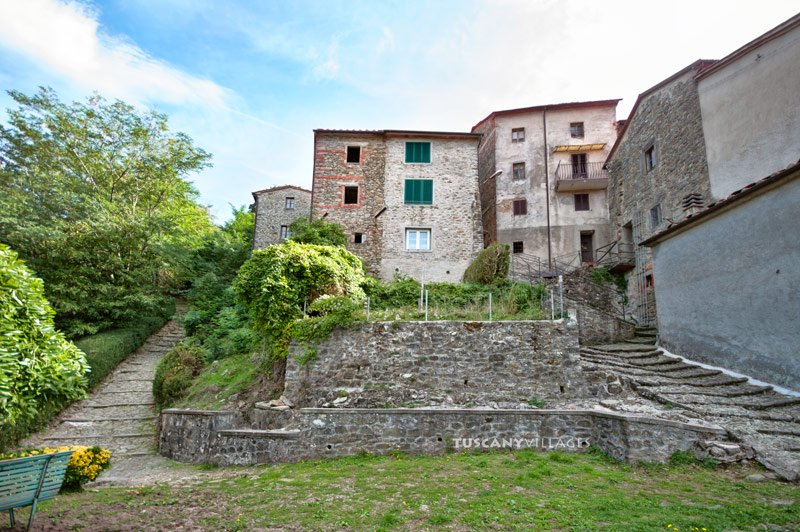
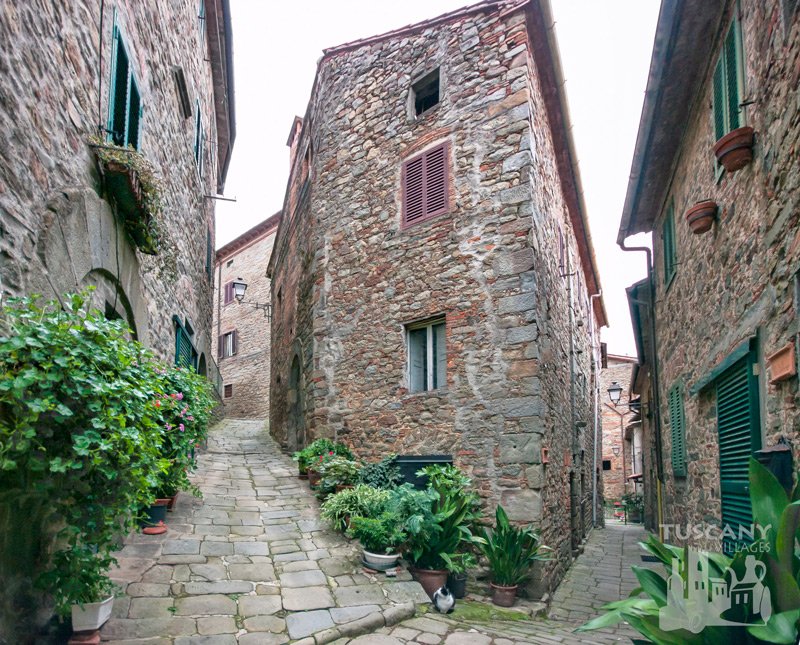
In the hill villages, park in the car park at the entrance to the village. The lanes inside are often steps. Truly.
Motorways and tolls
The motorways (autostrade) are fast and well kept, and most have tolls. The one you’ll use most here is the A11 Firenze–Mare, between Florence and the coast. Exits include Pistoia, Montecatini Terme, Chiesina Uzzanese (handy for Pescia), Altopascio, Capannori and Lucca Est.
How it works:
- At the entrance, take a ticket from the machine.
- At the exit, choose your lane carefully (see below).
- Put in your ticket, pay, and the barrier lifts.
The lanes at the exit:
- Yellow lanes marked Telepass: electronic tag only. Avoid.
- White lanes with a hand symbol: a person, cash.
- White lanes without an operator: automatic machines, cash or cards.
- Blue lanes: cards only.
If you end up in a Telepass lane by mistake, don’t reverse. Press the help button and explain.
Speed limits and the rules
From the Italian motoring club, ACI:
- Motorways: 130 km/h (110 km/h in rain)
- Main roads outside towns: 110 km/h (90 km/h in rain)
- Other roads outside towns: 90 km/h
- Towns and villages: 50 km/h, and often 30 in old centres
Dipped headlights are compulsory outside built-up areas, day and night, and in tunnels. Hire cars should carry a warning triangle and a hi-vis vest. If you break down outside a town at night or in poor visibility, put the vest on before you get out of the car.
Speed cameras are common, and some motorway stretches measure your average speed between two points. The fines follow you home, just like ZTL ones.
Do I need an International Driving Permit?
If you have a UK photocard driving licence, the UK government says you don’t need an International Driving Permit (IDP) to drive in Italy. You may need one if you still have an old paper licence, or a licence issued in the Isle of Man. Check gov.uk for your licence. Hire companies sometimes ask for one anyway, so check their terms when you book.
Car hire tips
- Go small. Village roads are narrow and parking spaces tiny. A small car is a joy here. A big SUV is a nightmare.
- Credit card in the driver’s name. Most companies want one for the deposit. A debit card often isn’t accepted.
- Excess cover. The basic excess can be high. Either buy the company’s cover or take out your own excess insurance before you go.
- Photograph the car all round before you drive off, and again when you return it. Wheels and bumpers especially.
- Fuel: “benzina” is petrol and “gasolio” is diesel. At the pump, “fai da te” (self-service) is cheaper than “servito” (served).
- Pick up and drop off out of town. Airports are easiest. Don’t collect a car in the middle of Lucca or Florence and then try to drive out of the ZTL.
Driving in the hills
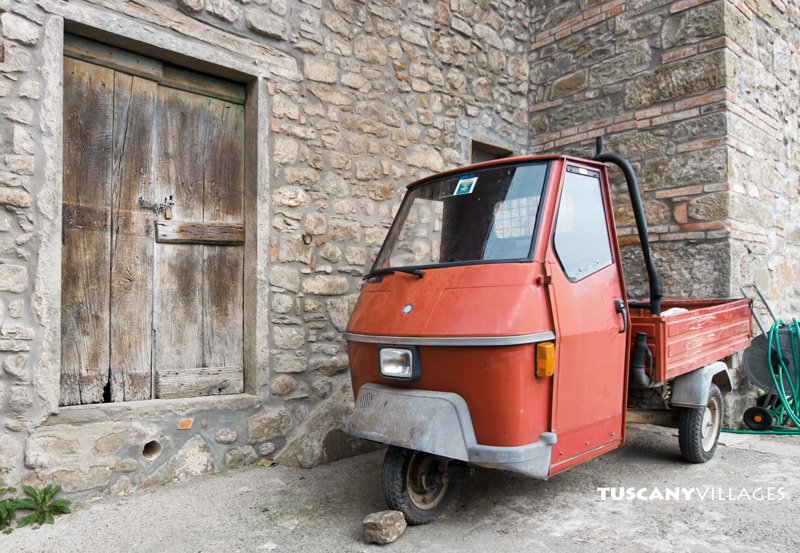
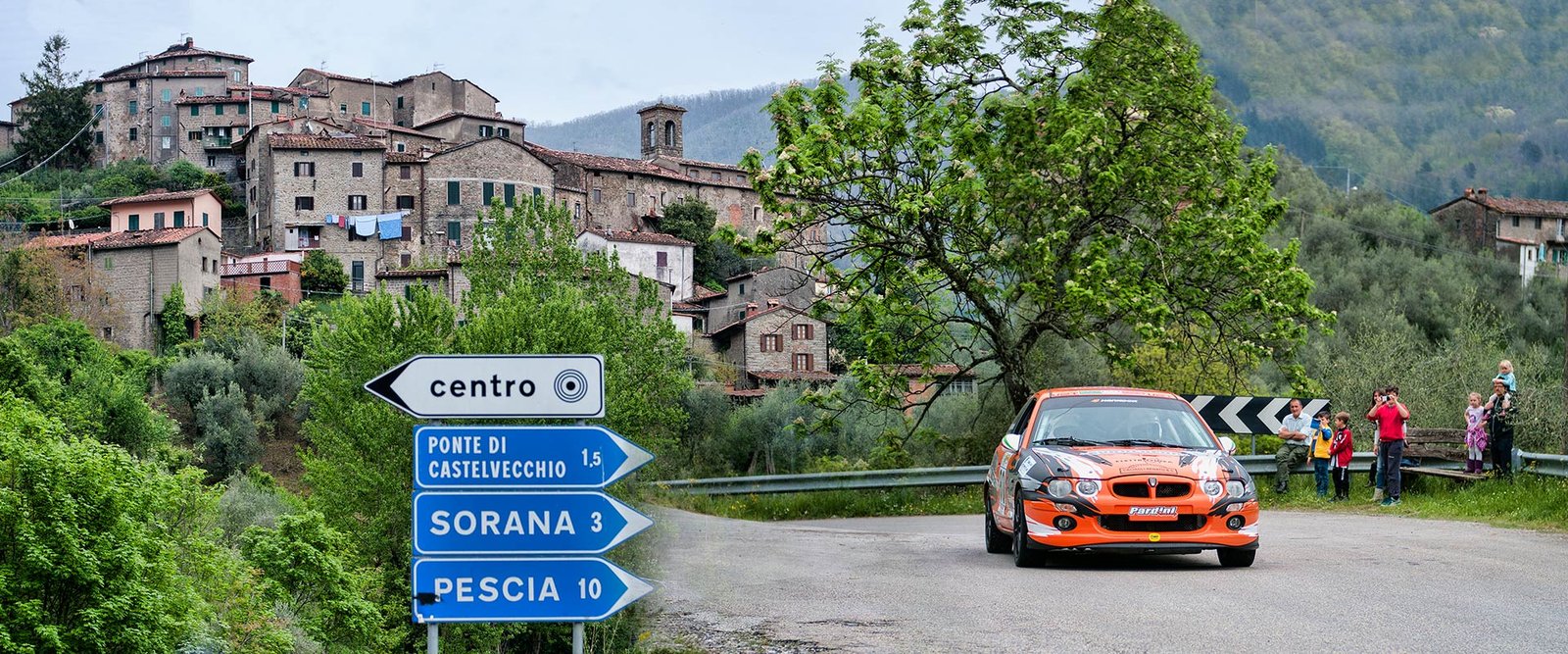
The roads up into the Svizzera Pesciatina and the Garfagnana are narrow and twisty, with stone walls on one side and a drop on the other. Locals drive them fast. Pull in where you can and let them past. Sound your horn gently before blind bends if the road is very narrow. Expect tractors, cyclists, and the odd Ape van parked exactly where you didn’t want it.
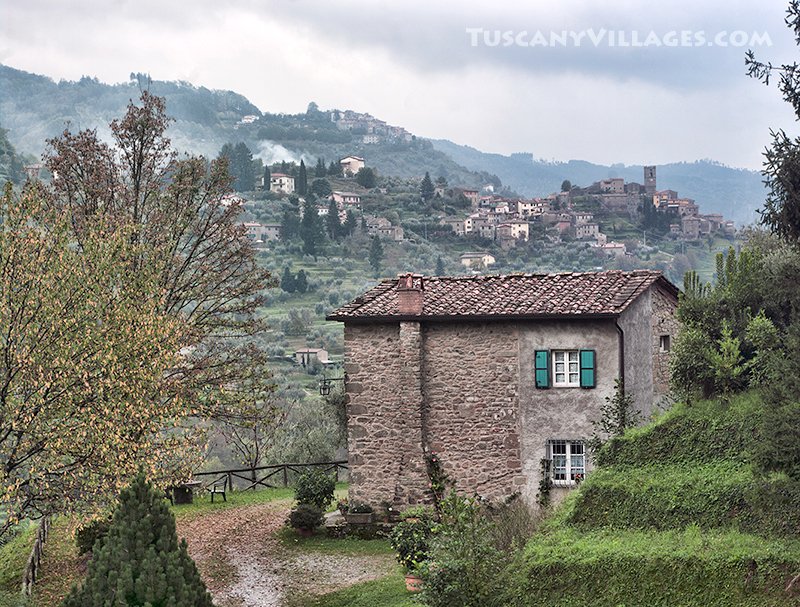
If you want a route, my Dieci Castella drive takes you through all ten villages above Pescia.
Driving in Tuscany: the short version
ZTL: never drive past the sign into a historic centre. Park outside and walk.
Tolls: take a ticket, pay at the exit, avoid yellow Telepass lanes.
Limits: 130 motorway, 110 main roads, 90 other roads, 50 in towns. Lower in rain.
Licence: UK photocard, no IDP needed. Paper licence, get one.
Car: small, photographed, fully insured.
Not sure you need a car at all? Read getting around Tuscany or my car-free guide to the Pescia valley.
You might also enjoy:
- Le Dieci Castella: a driving route through the Svizzera Pesciatina
- Visiting Tuscany without a car: the Pescia valley edition
- Where to stay near Lucca and the Svizzera Pesciatina
Susan
Photo credits: A ZTL sign. The hours underneath tell you when the cameras are watching (photo: Kar.ma, CC BY-SA 3.0, via Wikimedia Commons). All other photos are my own.