Last updated: October 2026
“When’s the best time to go?” I get asked this more than anything else.
The honest answer is May, June, September or October. Warm, green or golden, and not too crowded. But every month has something, even the middle of winter. So here’s the whole year.
The quick answer
- Best all round: May, June, September and early October.
- Best for festivals: June to September.
- Best for food: autumn (chestnuts, mushrooms, new olive oil, truffles).
- Cheapest and quietest: November to March, except Christmas and New Year.
- Hardest work: August. Hot, busy, and half of Italy is on holiday.
January
Quiet, cold and rather lovely. The cities are calm and you’ll have museums almost to yourself. Up in the hill villages it’s chilly, stone houses are slow to warm up, and some restaurants close for a break.
- 1 January and 6 January (Epiphany, the Befana) are public holidays.
- Viareggio Carnevale starts at the end of the month. In 2027 the parades run from 30 January to 20 February.
February
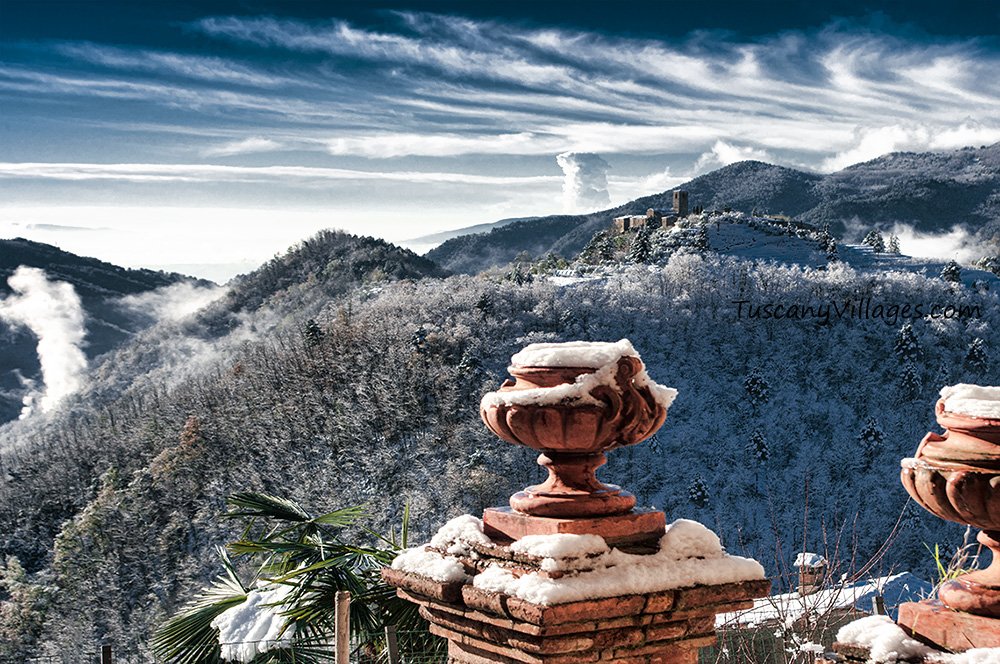
Still winter, still quiet. Carnevale carries on in Viareggio and in towns and villages everywhere, with children in costume and piles of fried cenci in the bakeries. Snow is possible up in the hills, and Abetone, in the mountains above Pistoia, is the place for skiing.
Pinocchio Park in Collodi opens at weekends only from November to February, so check before you go.
March
Spring starts creeping in. Blossom, longer days and the first lunches outside if you’re lucky. Easter can fall in March or April (28 March in 2027), and Easter Sunday brings the Scoppio del Carro in Florence, when a cart of fireworks is set off outside the Duomo.
April
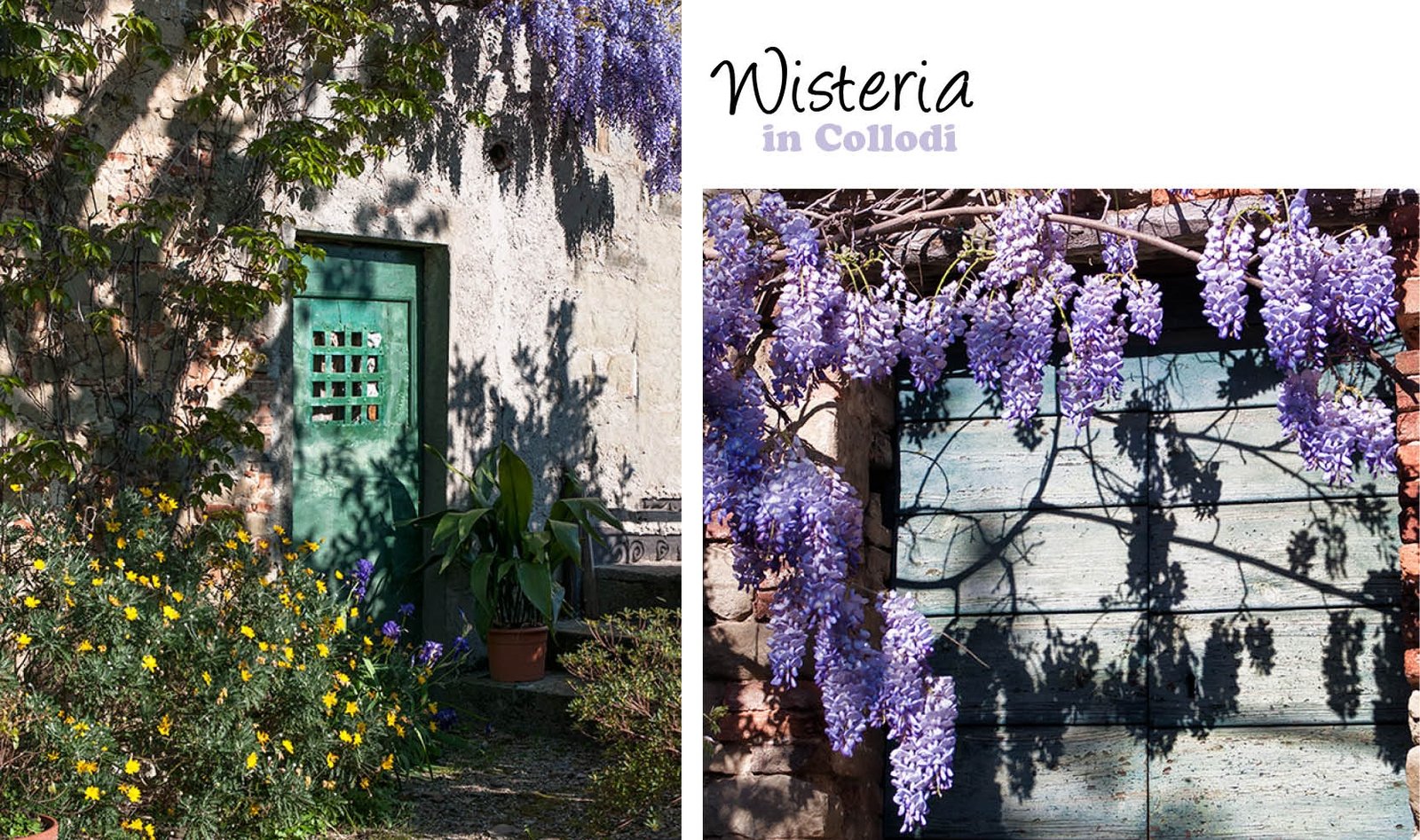
Lovely, green and busy round Easter. Wisteria, flowers on every balcony, and the start of proper walking weather. Easter Monday (Pasquetta) and 25 April (Liberation Day) are public holidays, and Italians head for the countryside with a picnic.
The butterflies are back in Collodi’s Butterfly House from about April.
May
One of the best months. Warm but not hot, everything in flower, and the sagre start to pop up. 1 May is a public holiday.
Pescia holds its medieval festival at the start of May (1 to 3 May in 2026), and Lucca has medieval events through the month.
June
Summer proper, and the festival season gets going. 2 June (Republic Day) is a public holiday.
- 16 June: the Luminara in Pisa, thousands of candles along the Arno.
- 24 June: San Giovanni in Florence, with the final of the Calcio Storico.
- Late June: the Gioco del Ponte in Pisa (27 June in 2026) and the evening joust of the Giostra del Saracino in Arezzo (20 June in 2026).
Long, light evenings and the sea warming up. Book ahead.
July
Hot. Very hot in the cities and the plain. The hills and the coast are kinder. This is when you do things early, rest after lunch, and come out again in the evening.
- 2 July: the Palio di Siena.
- 25 July: the Giostra dell’Orso in Pistoia.
Every weekend there’s a sagra within half an hour, with long tables, local food and a band.
August
The big holiday month. 15 August (Ferragosto) is the peak, and lots of Italian businesses close for a week or two around it. The beaches are packed, and so are the motorways.
But the village festas are at their best. 16 August is the second Palio di Siena, and Montepulciano’s Bravìo delle Botti, the barrel race, is on the last Sunday of the month.
If you come in August, stay somewhere with shade, a pool or a breeze, and book everything.
September
A lovely month. The heat eases, the grapes come in, and the evenings are perfect for eating outside.
- First Sunday: the daytime Giostra del Saracino in Arezzo.
- 7 September: the Rificolona lantern festival in Florence.
- 13 September: the Luminara di Santa Croce in Lucca.
Pescia’s Palio usually falls in early September too (6 September in 2026).
October
Golden, mellow and chestnut season in the hills. The woods are full of people with bags and sticks. Days are often warm, nights cooler, and rain becomes more likely as the month goes on.
4 October (San Francesco) is a national holiday again from 2026. At the end of the month, Lucca Comics & Games takes over the whole of Lucca (28 October to 1 November in 2026). Fab if you love it. Book a room early, or stay away, if you don’t.
November
Quiet, often wet, and wonderful for food. New olive oil, the first truffles and cosy trattorias. 1 November (All Saints) is a public holiday. Prices drop and the crowds vanish.
December
Christmas lights, nativity scenes in every church, and village markets. 8 December, 25 December and 26 December are public holidays. Cities fill up again around New Year.
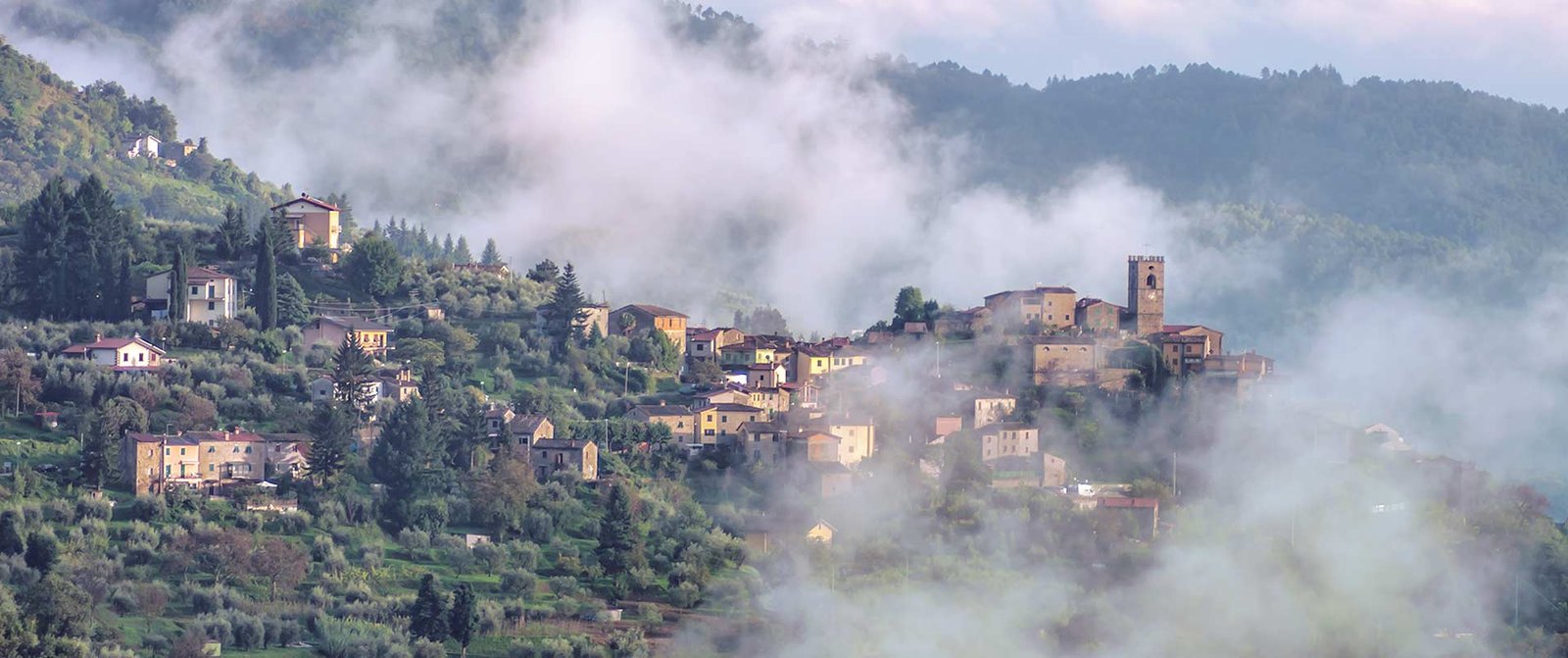
Winter in the hills is a very particular kind of lovely. I wrote about it in winter in the Tuscan hills.
Public holidays at a glance
On these days banks, offices and many shops close, and buses and trains run a holiday timetable:
| Date | Holiday |
|---|---|
| 1 January | New Year’s Day |
| 6 January | Epiphany |
| Easter Monday | Pasquetta (moves each year) |
| 25 April | Liberation Day |
| 1 May | Labour Day |
| 2 June | Republic Day |
| 15 August | Ferragosto |
| 4 October | San Francesco (from 2026) |
| 1 November | All Saints |
| 8 December | Immaculate Conception |
| 25 December | Christmas Day |
| 26 December | Santo Stefano |
Towns also close for their own patron saint’s day, so it’s worth checking locally.
So when should you go?
If you can, May or September. If you can’t, every month works as long as you know what you’re getting. Plan around the festivals in my big festivals guide and the sagre month by month, and check my packing list by season.
You might also enjoy:
Susan