Last updated: October 2026
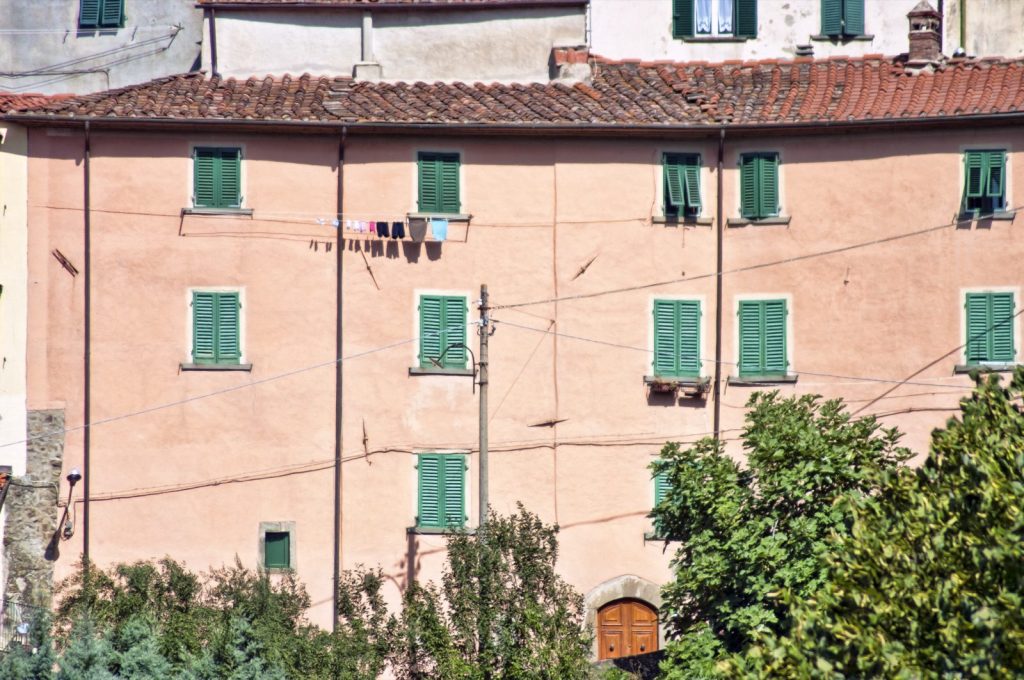
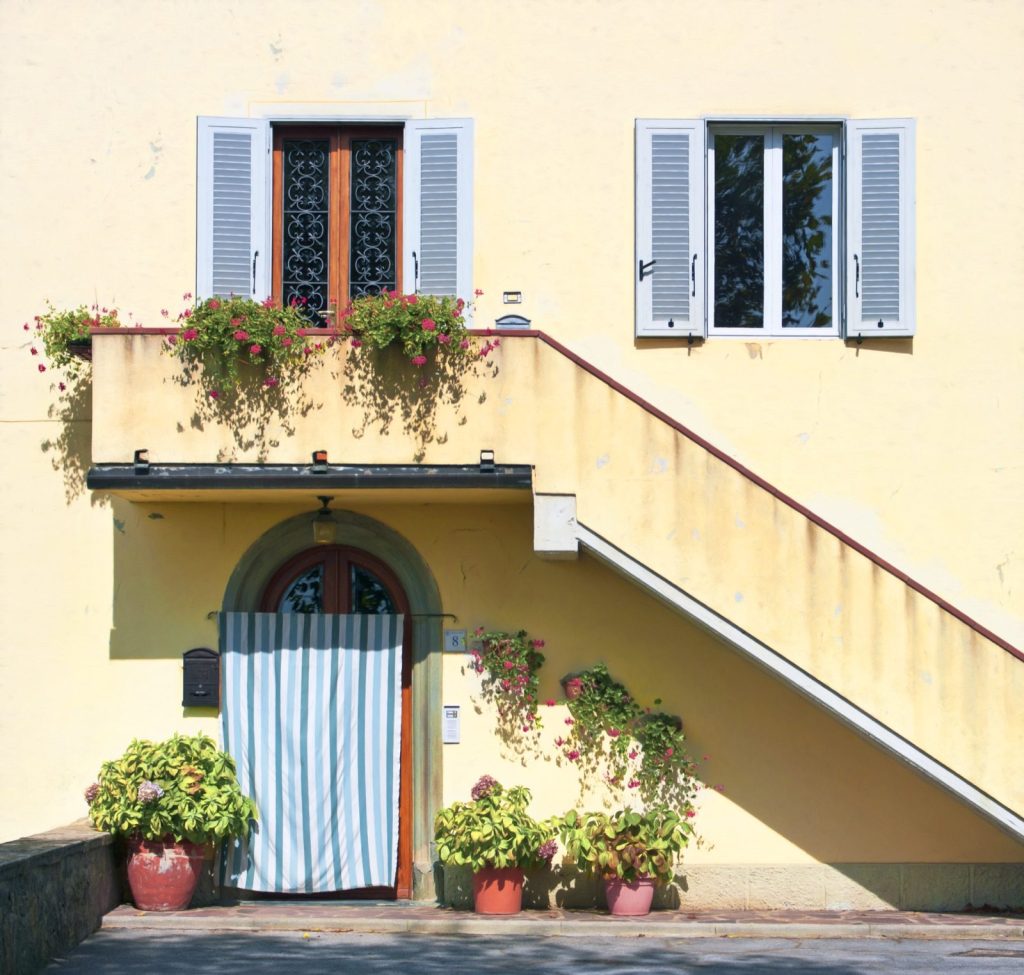
So you’ve fallen for a stone house in a Tuscan village. Green shutters, a view across the valley, a price that looks too good to be true.
Buying in Italy isn’t hard, but it is different from buying in Britain. Here’s how it works, step by step, and what to watch out for.
Please note: this is general guidance, not legal or tax advice. Rules change. Always use a qualified notaio, geometra and, if you need one, an independent lawyer who speaks your language.
Can foreigners buy?
Yes. EU citizens can buy freely, and most non-EU citizens, British people included, can buy too. You don’t need to live in Italy to own a home there.
Step 1: get a codice fiscale
Your codice fiscale is your Italian tax code. You need it for almost everything: the purchase, a bank account, utilities. Get it from the Agenzia delle Entrate in Italy, or from an Italian consulate if you’re abroad. It’s free.
An Italian bank account makes life much easier too.
Step 2: find the house
- Estate agents (agenzie immobiliari) must be registered with the Chamber of Commerce. Ask to see the registration.
- In Italy the buyer usually pays the agent a fee as well as the seller. Ask what it is before you view.
- Private sales happen too, especially in villages. Word of mouth, a sign in a window, a chat in the bar.
Step 3: get a geometra to check it
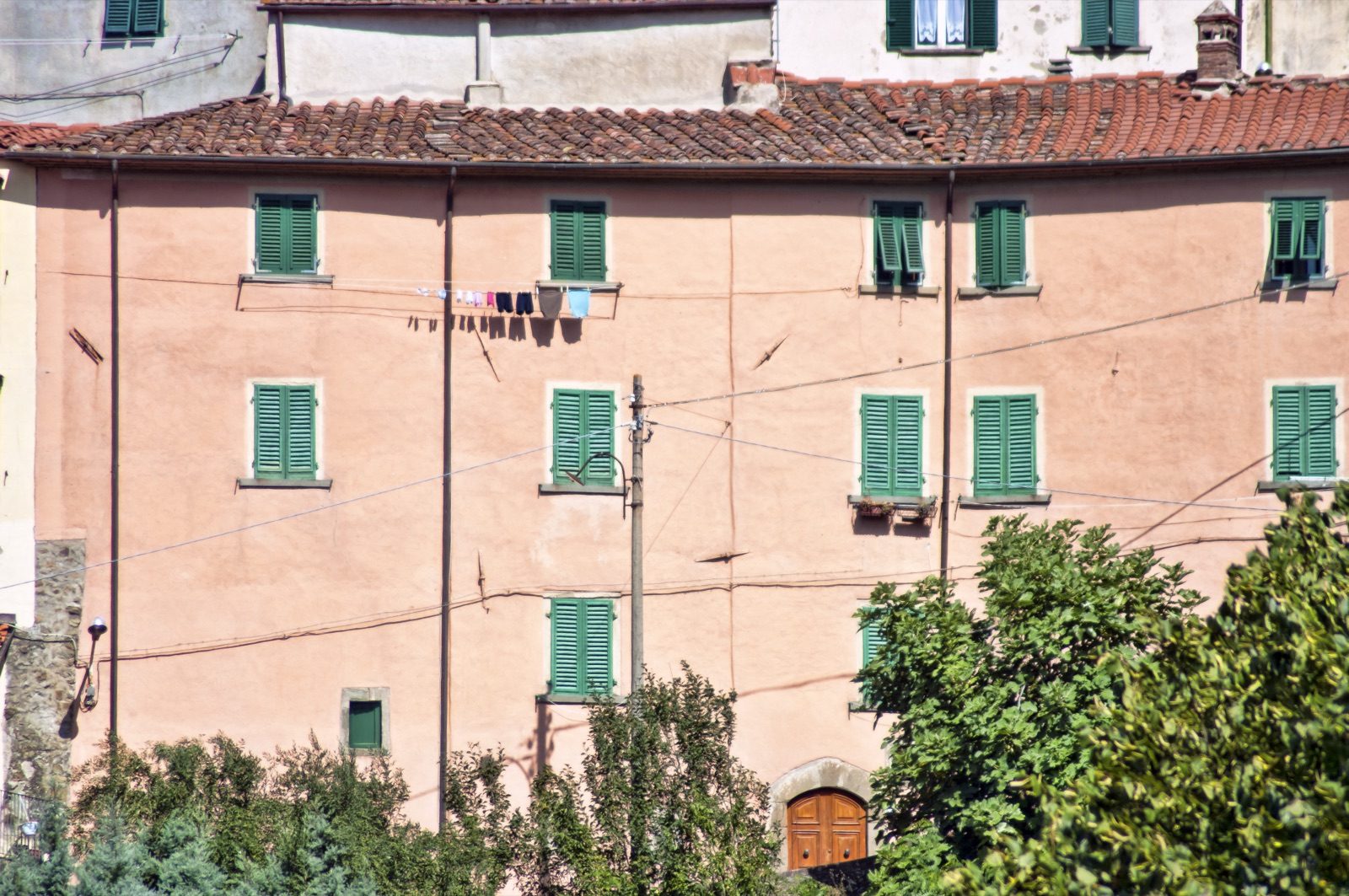
This is the most important step. A geometra is a surveyor, and in Italy they’re the person who checks that the house on paper matches the house in real life.
Your geometra should check:
- Planning conformity (conformità urbanistica): that everything built has a permit.
- Cadastral conformity (conformità catastale): that the plans at the land registry match the building.
- The APE (Attestato di Prestazione Energetica), the energy certificate, which the seller must provide.
- Rights of way, boundaries and shared parts: who owns the stairs, the wall, the bit of roof over the neighbour’s kitchen.
For an old house, a structural survey is worth paying for too.
Old village houses: watch out for
- Lots of owners. Old houses are often inherited by many relatives, sometimes spread around the world. Every one of them has to sign.
- Unregistered works. An extra room, a terrace or a bathroom added years ago without a permit. It needs sorting before the sale, not after.
- Uncertain boundaries and old rights of way across gardens and cellars.
- Shared walls and roofs with the neighbours.
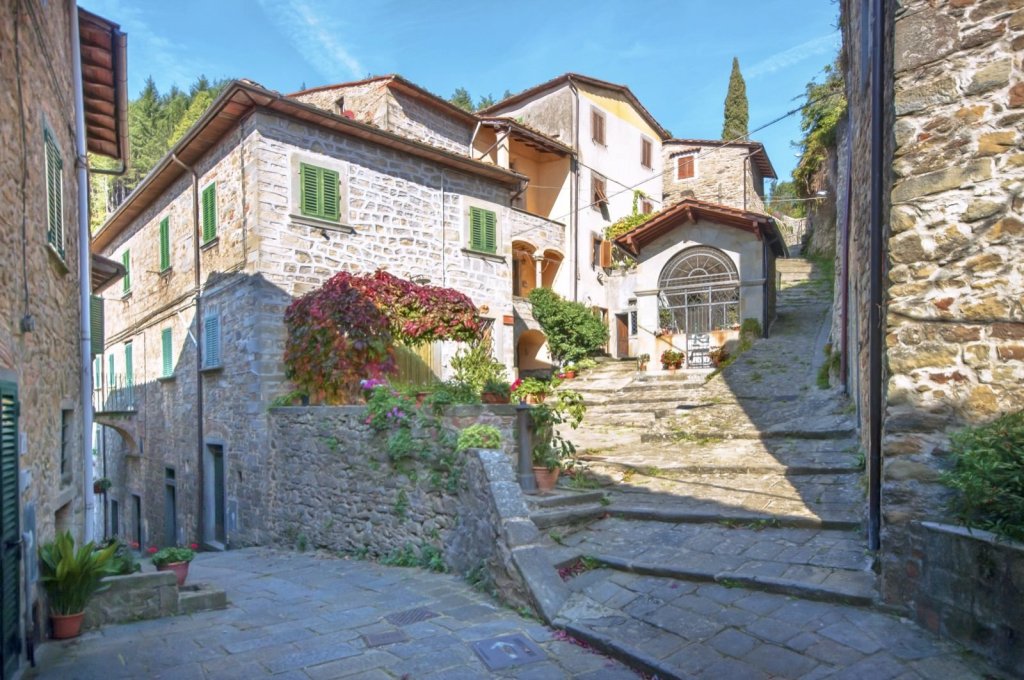
- Access. Can you get a car anywhere near? Can a builder get materials in?
- Farmland. Land that comes with the house may give neighbouring farmers a right to buy it first.
Step 4: the offer
You make a written offer, a proposta d’acquisto, usually through the agent, often with a small deposit. Once the seller accepts and signs it, it’s binding. Read it carefully, and add conditions if you need them (for example, subject to a survey or a mortgage).
Step 5: the compromesso
Next comes the preliminary contract, the compromesso (contratto preliminare). It sets out the price, the date of the final deed and what’s included. You pay a bigger deposit here, usually a caparra confirmatoria:
- If you pull out, you lose it.
- If the seller pulls out, they have to pay you back double.
The compromesso must be registered with the Agenzia delle Entrate within 30 days. If it’s done in front of a notary, it can also be recorded in the public registers (trascrizione), which protects you if the seller tries to sell or mortgage the house to someone else before completion. Worth asking about.
Step 6: the rogito
The final deed, the rogito, is signed in front of a notaio (notary). In Italy the notary is a public official who works for neither side. They check the title, check for mortgages and debts on the property, read the deed aloud, and register the sale.
- Don’t understand Italian? An interpreter has to be present at the signing. Arrange it in advance.
- Payment must be traceable: a bank transfer or banker’s draft, and it’s recorded in the deed. No suitcases of cash.
- You’ll get the keys on the day, usually.
Then sort out the utilities (volture) into your name: electricity, gas, water and the rubbish tax.
What to budget for
Rates change and depend on who you are and what you’re buying, so ask your notary for real figures. But budget for:
- Purchase taxes: registration tax, plus mortgage and cadastral taxes. Or VAT if you buy from a builder or developer.
- Prima casa relief: lower taxes if it will be your main home, but you must take residency in the comune.
- The notary’s fee.
- The agent’s fee.
- Your geometra and any survey.
- An interpreter or translator, and a lawyer if you use one.
- Running costs: IMU (property tax, which applies to second homes) and TARI (rubbish tax), plus insurance and utilities.
- Work on the house. There’s always work on the house.
Getting work done
Old houses need work. Get several written quotes, ask the neighbours who they use, and agree the price before anyone picks up a hammer. I learned to get several quotes the hard way, after a builder overcharged me for a roof.
Check whether the work needs permits from the comune (your geometra will know), and keep every receipt. Some renovation and energy work may qualify for tax relief, so ask an accountant (commercialista).
My tips
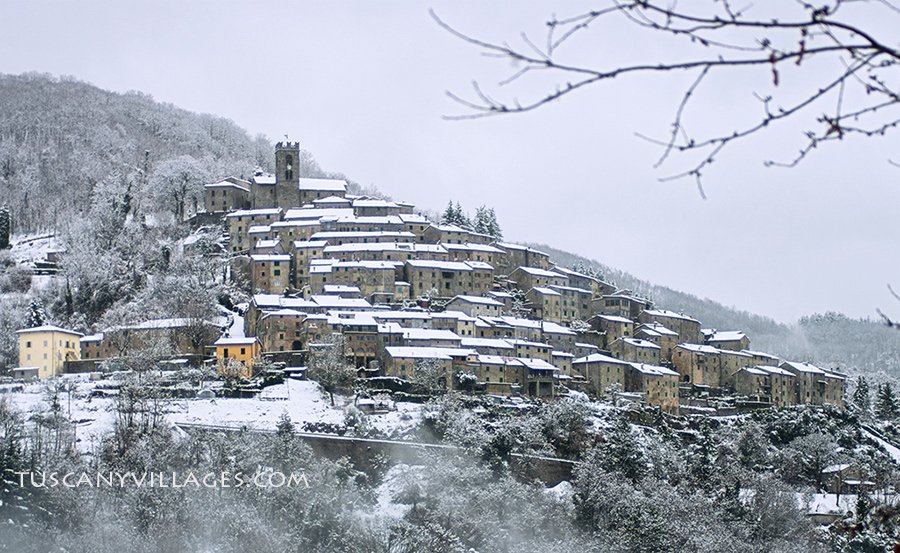
- Take your time. Visit in winter as well as summer. A village in February is a different place.
- Talk to the neighbours. They know everything about the house, and they’ll be your neighbours.
- Learn some Italian. It makes everything easier. My Italian phrases for village life will get you started.
- Never sign anything you don’t understand.
This post is general information, not legal or tax advice. Always check with a qualified professional.
You might also enjoy:
- Otello: the day I bought a Tuscan village home
- Where to stay near Lucca in the Svizzera Pesciatina
- Winter in the Tuscan hills
- Villages of Tuscany
Susan