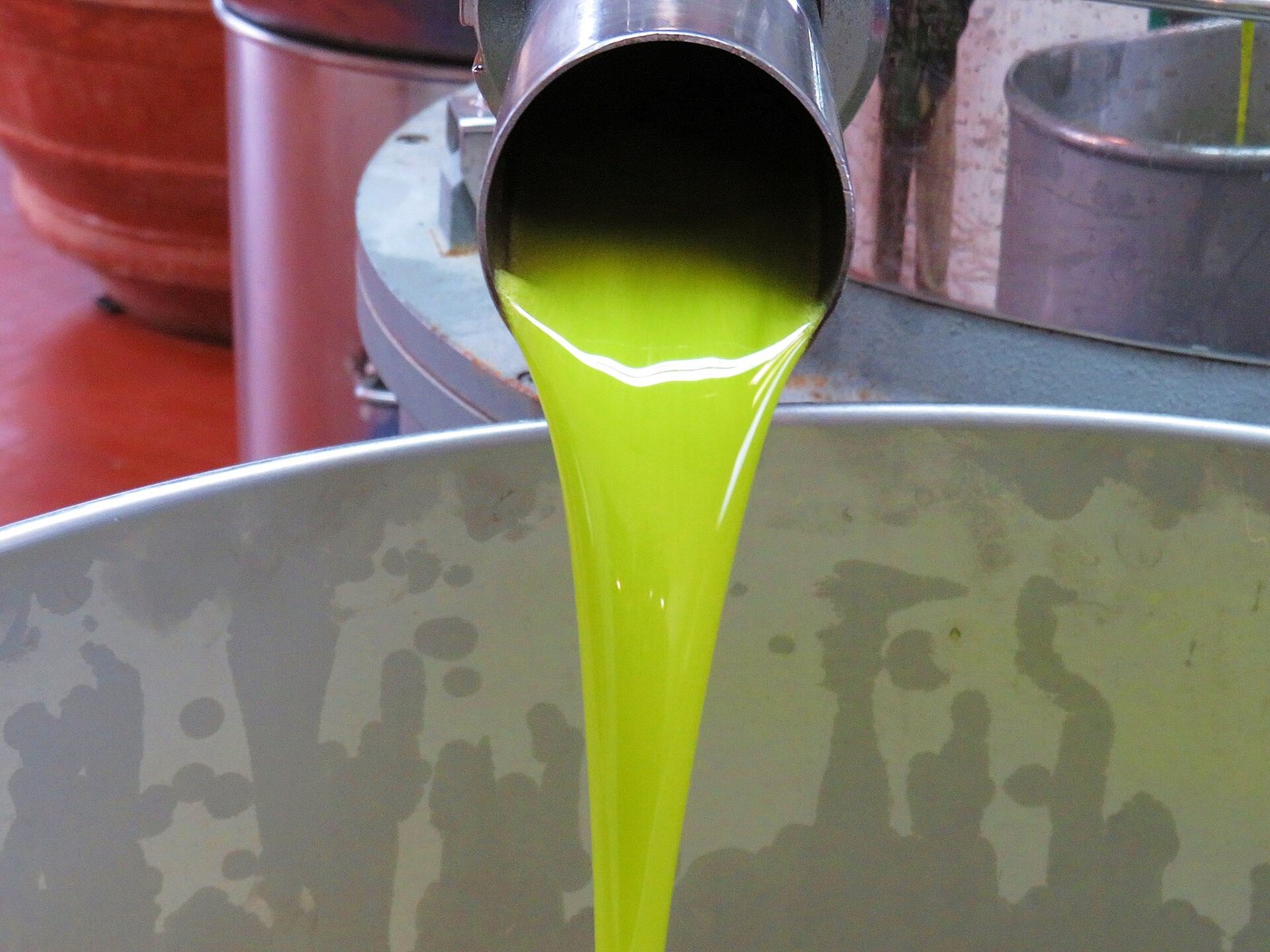
This is the soup of the olive harvest. When the frantoi, the olive mills, start pressing in the autumn, the new oil comes out bright green, peppery and a bit cloudy, and around Lucca this is what they pour it on. Beans, cavolo nero, cabbage, pumpkin and whatever else is in the garden, simmered slowly, then ladled over garlicky toast and finished with a big swirl of new oil.
There isn’t one recipe. Every family in the Lucca plain has its own, and most of them will tell you theirs is the right one. This is a simple home version, built on what the Lucca cooks’ recipes have in common.

Zuppa frantoiana at a glance
- What: a thick bean and winter vegetable soup, served over toast with new olive oil.
- From: Lucca and the plain and hills around it.
- Serves: 6.
- Time: 30 minutes hands-on, about 2½ hours cooking, plus soaking the beans overnight.
- Best: made a day ahead, in November and December when the new oil is out.
Checked 30 October 2026.
Where zuppa frantoiana comes from
The name comes from the frantoio, the olive mill. It was made in the autumn and winter, when the mills were working, and the whole point was the new oil, poured on raw at the table. Lucca’s food writers describe it as a peasant soup from the vegetable garden, made “con quel che c’è”, with whatever there is.
The beans of choice are Lucca’s own red beans, rosso di Lucca, with borlotti as the usual swap. Then come cavolo nero, Savoy cabbage, chard, pumpkin, potato, leek and fennel, and in many houses a handful of wild greens from the fields, such as borage and dandelion. Cooks in the hills of the Compitese, south-east of Lucca, say it’s best after the first frosts, when the cavolo nero turns tender.
It’s taken seriously here. Every winter the local Slow Food group, Slow Food Lucca Compitese Orti Lucchesi, runs the Disfida della Zuppa, a soup contest held from February to March in villages across the Lucca plain. Cooks bring their frantoiana, and the people at dinner are the jury. In 2025 it reached its 14th edition.
For more on the harvest itself, see my guide to the olive harvest in Tuscany, or the other dishes in what to eat in the Lucca and Pistoia hills.
Ingredients
The beans
- 300 g dried beans (10½ oz): Lucca red beans if you can find them, otherwise borlotti
- 2 garlic cloves, unpeeled, and a few sage leaves
The soup
- 5 tbsp extra virgin olive oil
- 1 red onion, chopped, and 1 leek, sliced
- 2 celery sticks and 2 carrots, diced
- 1 small fennel bulb, diced
- 1 large potato, diced
- 200 g pumpkin or squash (7 oz), peeled and diced
- 1 bunch cavolo nero (about 250 g / 9 oz), tough stems removed, shredded
- ¼ Savoy cabbage, shredded
- A small bunch of Swiss chard, shredded
- 1 tbsp tomato purée
- A sprig of thyme and ½ tsp fennel seeds
- A pinch of chilli flakes (optional)
- Salt and pepper
To serve
- 6 slices of stale, unsalted Tuscan-style bread (or a good sourdough)
- 1 garlic clove
- New-season extra virgin olive oil, and plenty of it
Method
1. The beans (overnight, then 1 to 1½ hours)
- Soak the beans overnight in plenty of cold water.
- Drain, cover with fresh water by a few centimetres, add the garlic and sage, and simmer gently for 1 to 1½ hours until completely soft. Salt them at the end. Don’t drain them: you need the cooking water.
2. The vegetables (25 minutes)
- Warm the oil in a big, heavy pot (a terracotta one if you have it). Soften the onion, leek, celery and carrot for about 10 minutes.
- Add the fennel, potato, pumpkin and chilli, and cook for 5 minutes.
- Stir in the tomato purée loosened with a splash of water, then pile in the cavolo nero, cabbage and chard. Salt them and stir until they wilt down.
3. Bring it together (1 hour or more)
- Take out the garlic and sage. Purée about two-thirds of the beans with their cooking water, using a food mill or blender, and stir into the pot with the whole beans that are left.
- Add the thyme and fennel seeds. Simmer very gently for at least an hour, stirring now and then so it doesn’t catch, and adding water if it gets too thick. It should be thick, but still a soup.
- Taste for salt and pepper, then leave it to rest for at least an hour. It’s even better the next day.
4. Serve (10 minutes)
- Toast the bread and rub it with the cut garlic.
- Put a slice in each bowl and ladle the hot soup over it.
- Finish with a generous pour of new olive oil. Not a drizzle. A proper pour.
Tips
- The oil matters most. If you can get new-season Tuscan oil (look for Lucca DOP or Toscano IGP), this is the dish to use it on.
- Make it the day before. The Lucca cooks all say it’s better reheated, and they’re right.
- Use what you’ve got. It’s a garden soup. Courgette, spinach or a few peas won’t upset anyone.
- In a hurry? Use 2 tins of borlotti (about 480 g drained) and a litre of vegetable stock instead of the cooking water. Simmer for 40 minutes. Not quite the same, but good.
UK and US notes
- Cavolo nero: sold as cavolo nero in UK supermarkets, and as lacinato or Tuscan kale in the US. Curly kale works.
- Borlotti: in the US, look for cranberry beans.
- Pumpkin: butternut squash is fine.
- Tomato purée: called tomato paste in the US.
- Bread: Tuscan bread is made without salt. A day-old sourdough or country loaf does the job.
What to drink with it
- A young red from the Colline Lucchesi or Montecarlo, the two wine areas round Lucca. My guide to wine tasting near Lucca has the cellars.
- Follow it with a slice of castagnaccio, and you’ve got a proper Lucca winter supper.
FAQ
Is zuppa frantoiana the same as ribollita?
They’re cousins. Both are Tuscan bean and cabbage soups thickened with bread. Frantoiana is Lucca’s version, with more vegetables and the new oil as the star.
Is it vegetarian?
This version is vegan. Some family recipes start with lardo or pancetta, so ask if you’re eating out.
Can I freeze it?
Yes. Freeze it without the bread, and toast fresh bread when you serve it.
You might also enjoy:
Susan
Sources: Made in Lucca (zuppa frantoiana recipe and Disfida della Zuppa), Associazione Cuochi Lucchesi, Agrodolce, Slow Food Italia, Lucca in Diretta (2025 Disfida), Riciblog (agrichef Elena Pardini, Compitese).