
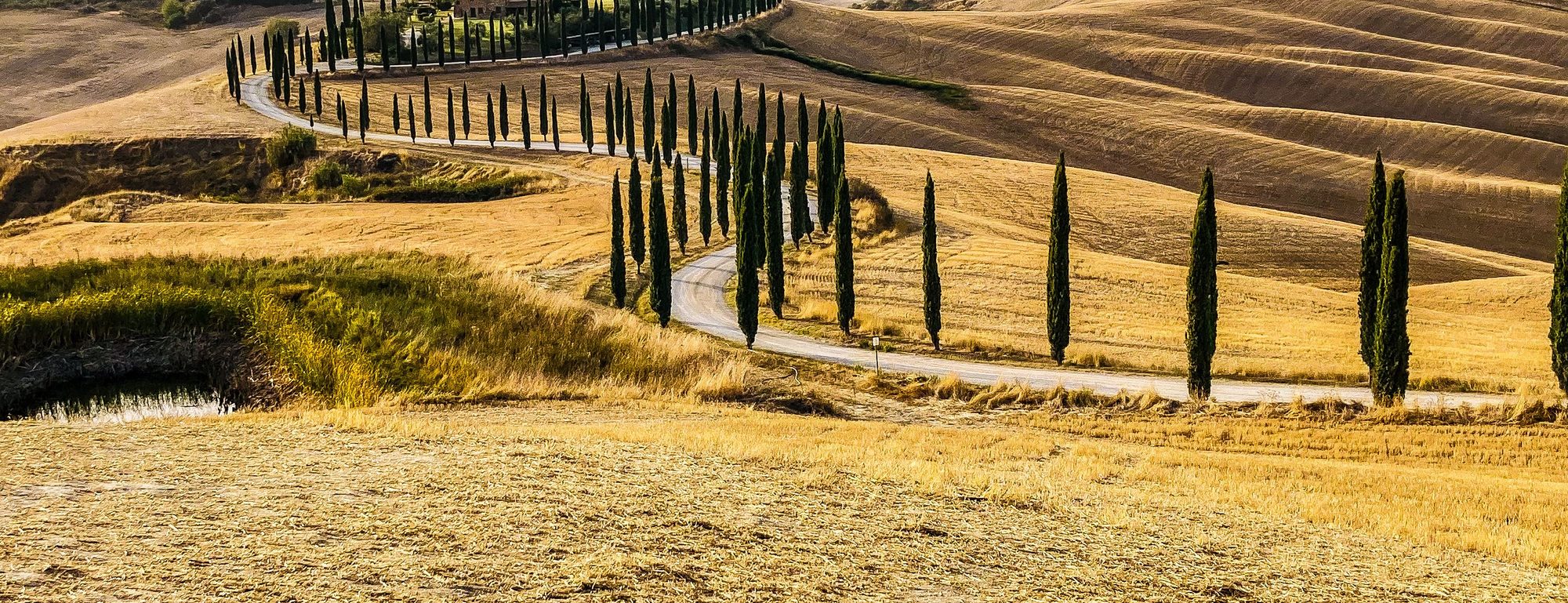
A friendly guide to booking, documents, deposits, insurance, collection, driving and returning the car, with a checklist you can print off.
Last updated: November 2026
What I Wish I’d Known: You Might Need a Credit Card
When I moved back to Italy with my nine-month-old daughter, Lily, I arrived with a mountain of luggage and plans to hire a car to get us home.
One small problem. I didn’t own a credit card. Never had. I used debit cards and assumed that would be perfectly fine.
Apparently not.
There I was, with a baby, all our belongings and no hire car. Not quite the romantic return to Tuscany I’d imagined.
So here’s my first piece of advice: before you book a hire car, check exactly which cards the rental company accepts for the security deposit. Don’t assume that because you can pay online with a debit card, you can collect the car with one.

Picking up a hire car should take ten minutes. It rarely does. There’s the queue, the hard sell on insurance, the card that suddenly won’t do, and the little scratch on the bumper that nobody mentions until you bring the car back.
I’ve driven these hills for years, and I love it. But there are a few things I’d tell any friend before they picked up the keys. So here they all are in one place, with a checklist you can print off or save to your phone.
Everything below on one printable page.
Before you book
The credit card: check this first
This catches out more people than anything else. Most hire companies take a deposit (a “hold”) on a physical credit card in the main driver’s name when you collect the car. Many won’t take a debit card for the deposit, even if you’ve already paid for the hire online. A card in your partner’s name usually won’t do either, and nor will a card on your phone. Some companies take debit cards but then insist you buy their own insurance. So read the small print on the booking before you pay, and look for the words “credit card required”.
Check how much the hold is, too. It can be hundreds or even a couple of thousand euros, and it eats into your credit limit until it’s released after you return the car. Make sure there’s room on the card for the hold plus your holiday spending.
Which car hire companies accept a debit card?
I wish I could give you a neat list. I can’t, because it changes by company, by branch and even by type of car, and a list that’s right today could leave you stuck at the desk next summer. I learnt that the hard way (see above).
Here’s what I’d do instead:
- Assume you’ll need a credit card in the main driver’s name, unless the booking clearly says otherwise. Most hire companies still ask for one for the deposit.
- Some do accept debit cards, but usually with conditions. The common one is that you buy their own cover at the desk. Prepaid cards, cards on your phone and cash are rarely accepted for the deposit.
- Read the payment terms for pickup, not just the online payment. Paying online with a debit card tells you nothing about what the desk will take.
- On Discover Cars, use the debit card filter when you search, then open the rental conditions for that exact offer and read the payment section. There’s also a filter for offers that don’t need a card at all.
- Ask the supplier in writing. A quick email asking whether your card will be accepted for the deposit at that branch. Keep the reply with your booking.
- Have a backup. If someone travelling with you has a credit card, make them the main driver. A card in someone else’s name usually won’t do for the deposit.
Insurance: what you’re actually covered for
Car hire insurance comes with its own jargon, so here’s the plain version.
- Collision damage waiver (CDW): limits what you pay if the car is damaged. It’s usually included in the price, but with an excess.
- Theft protection: the same idea if the car is stolen. Also usually included, also with an excess.
- The excess: the amount you still pay if something happens. It can run to hundreds or a couple of thousand euros.
- Exclusions: the bits basic cover often leaves out. Tyres, glass (windscreen and windows), the underbody, the roof, the interior and lost keys are common ones. Check the list on your booking.
- Roadside assistance: what happens if you break down or get a flat. Check whether it’s included and what number to ring.
You’ve got two ways to bring the excess down:
- The hire company’s own comprehensive cover (often called super cover or zero excess). It’s the priciest option, but if something happens it’s usually simpler, and the deposit is often smaller too. Check what it actually covers, as some packages still exclude tyres, glass or the underbody.
- Standalone excess insurance, bought before you go from an insurer at home. It can be much cheaper than cover at the desk, and often includes things like tyres and glass. But the hire company will usually still take the full deposit on your credit card, and if there’s damage you pay their charges upfront, then claim the money back. The desk may tell you you’re “not covered”. You are, just not by them.
And here’s my honest bit. If you know you’re prone to the odd bump (no judgement, these lanes are narrow and the walls are stone), or you just want peace of mind, take comprehensive cover and stop worrying. Just read what it covers first. It costs more, but it’s a lot cheaper than an argument over a wing mirror on your last morning.
Automatic or manual?
Most hire cars in Italy are manual. Automatics exist but there are fewer of them, they usually cost more, and they go first in summer. If you need one, book early and make sure the booking actually says automatic, not “or similar” in a different gearbox.
Go small
Village roads are narrow. Very narrow. Parking spaces are tiny and some lanes were built for donkeys. Hire the smallest car your luggage and your people will fit in. You won’t regret it on the first hairpin.
Extra drivers, one-way hire and child seats
- Extra drivers usually cost extra and must be on the agreement, with their own licence at the desk. If someone not named drives, the cover may not apply.
- One-way hire (say, Pisa to Florence or Rome) often has a one-way fee. Check it before you book, not at the desk.
- Child seats. In Italy, children under 1.5 metres must travel in an approved child seat that suits their weight, and a rear-facing seat must never go in front of an active airbag. Under-4s also need an anti-abandonment alarm (dispositivo antiabbandono), and that applies to Italian-registered hire cars even if you’re only visiting. The fine is €83 to €332. Hire firms offer child seats as an extra, so ask whether theirs comes with the alarm, and book in advance, as they run out.
- Young or older drivers can face extra charges or limits. Check the age rules on the booking.
Driving licence and the International Driving Permit
At the time of writing, the UK government says you can drive in Italy on a UK photocard licence. You may need an International Driving Permit (IDP) if you still have an old paper licence. Hire companies can have stricter rules than the law, and some ask for an IDP anyway. Rules change, so check the latest on GOV.UK’s Italy travel advice and your booking terms before you travel. If you’re not from the UK, check your own government’s advice.
Take your licence, your passport and the credit card at the desk. Police in Italy will normally ask for your passport if they stop you while driving.
Fuel policy and mileage
Look for full-to-full. You pick the car up full and bring it back full, and you only pay for what you use. Other policies can mean paying the hire company’s price for a whole tank, sometimes with a service charge on top. While you’re there, check for a mileage limit. Most deals are unlimited, but not all.
Know what to look for now? Discover Cars searches lots of hire companies in one go, and you can filter by card type, fuel policy and gearbox.
Affiliate link: if you book through it I may earn a small commission, at no extra cost to you.
Picking the car up
Airport or town?
Airports are usually the easiest place to collect, because you can get straight onto the motorway without going near a historic centre.

- Pisa airport: the hire desks and cars are in a car rental area a few hundred metres from the terminal. There’s a free shuttle from outside the terminal, or you can walk it by following the red line on the ground.
- Florence airport: the hire companies are at a separate car rental hub nearby, linked by a free shuttle bus from just outside the terminal.

More on both airports, including the trains if you’d rather pick a car up later, in my guide from Pisa or Florence airport to Lucca, Pescia and Pistoia.
Picking up in a city centre sounds handy, but think about the drive out. Some city offices sit near or inside the limited traffic zones (more on those below), so ask the office exactly how to leave without crossing one.
At the desk
- Read what you’re signing. Say no politely to anything you didn’t ask for.
- Check the fuel policy, the deposit amount and the excess on the paperwork match your booking.
- Ask what to do if you break down, and save the number in your phone.
- Ask where the nearest fuel station is for the return, and how out-of-hours drop-off works if you’re leaving early or late.
Photograph everything before you drive off
Before you put a single bag in the boot, walk round the car with your phone. Take dated photos and a slow video of every mark, however tiny. If anyone says a scratch was you when you bring the car back, your photos are your proof.
- All four sides, both bumpers and the roof.
- Each wheel and alloy (kerb scuffs are the classic).
- The windscreen, looking for chips.
- Inside: seats, carpets and the boot.
- The dashboard showing the fuel gauge and the mileage.
If you find marks that aren’t recorded, go back to the desk and get them written on the hire agreement (or the damage sheet that goes with it) and signed, before you drive off. Keep all the paperwork until your deposit is back and your card statement looks right.
Driving in Tuscany: the practical bits
Will a car suit your trip?
For the cities, no. Florence, Pisa, Lucca and Pistoia are all on the railway, and a car is a headache in the old centres. For the hill villages, the Garfagnana and the agriturismi, a car makes life so much easier. Lots of people do both: trains for the cities, then a car for the countryside days.
My guide to getting around Tuscany: trains, buses or driving? helps you decide.
Planning to stay up in a hilltop village? Small is still best, but make sure the car isn’t so tiny it struggles up steep hills fully loaded. If you’re not used to hill starts in a manual, an automatic is worth the extra.
ZTL zones: the expensive one
Most historic centres have a ZTL (zona a traffico limitato, a limited traffic zone). Only residents and permit holders can drive in. There’s no barrier. A camera reads your number plate, and that’s it. You won’t know a thing until a fine arrives, and for drivers who live abroad that can be many months later (the police have up to a year to send it). The hire company passes your details to the police and usually charges you an admin fee on top.
The sign is a white circle with a red border, with the hours underneath. If an electronic panel says “varco attivo”, the gate is active: don’t go in. My rule is simple. Park outside the old centres and walk in. Don’t trust the satnav near a town centre. If your hotel is inside a ZTL, ask it before you arrive whether it can register your plate.
I go into more detail, town by town, in driving in Tuscany: ZTL zones, fines and tolls.
Motorway tolls
The motorways (autostrade) mostly have tolls. You don’t need a Telepass tag. Take a ticket when you join and pay when you leave. At the toll gates, pick your lane before you get there:
| Lane sign | What it’s for |
|---|---|
| Yellow, Telepass | Electronic tags only. Avoid. |
| Blue | Cards only (credit and debit). |
| White with a hand | Cash, with a person in the booth. |
| White, no hand | Automatic machines, cash or card. |
If you end up in the wrong lane, don’t reverse. Press the help button and explain.
Speed cameras and the Tutor
Speed cameras are common. On many motorway stretches there’s also the Tutor, which works out your average speed between two points, day and night. Like ZTL fines, speeding fines follow you home through the hire company. Limits drop in the rain, too: 110 km/h instead of 130 on motorways, and 90 instead of 110 on main dual carriageways.
Headlights, warning triangle and hi-vis vest
Outside towns you must drive with dipped headlights on (or daytime running lights), day and night. Most hire cars do it for you, but check. There should also be a warning triangle and a hi-vis vest in the car, so have a quick look in the boot before you leave the car park. If you break down outside a town, put the vest on before you get out, then set the triangle up well behind the car.
Parking
- Blue lines: pay and display. Pay at the machine or by app.
- White lines: usually free, but check the signs for time limits.
- Yellow lines: residents, disabled badge holders or loading. Not for you.
In the hill villages, use the car park at the edge. The lanes inside are often steps.
Petrol or diesel? Don’t mix them up
Benzina is petrol. Gasolio (or diesel) is diesel. Check which your car takes before you leave the car park. It’s usually on the inside of the fuel flap or the key fob. Putting the wrong one in is expensive and rarely covered. At the pump, fai da te (self-service) is cheaper than servito (served).
Narrow village roads
The little roads are the best bit and the scariest bit. Take them slowly. Give way to the bus and to anything bigger than you, and be ready to reverse to a wider spot. Watch out for cyclists at weekends.
Dropping the car off
- Refuel as your policy says (on full-to-full, fill up nearby) and keep the fuel receipt. Find the station before your last day, not on the way to the airport.
- Leave time. At least half an hour extra, so there’s time for the inspection and getting back to the terminal.
- Do the walk-round again. Same photos and video as at pickup, including the fuel gauge and mileage, in the return bay.
- Get it in writing. If there’s a person there, ask them to inspect the car with you and give you written confirmation (a signed return sheet or an email) that it came back with no new damage.
- Out of hours? Ask at pickup exactly where to park and where the key box is. Take photos of the car in the bay, the fuel and mileage, and the key going in the box. Your record is the only record.
- Afterwards: keep the paperwork, and check the deposit is released and nothing extra lands on your card.

If you’re still choosing a car, here’s that comparison link again.
Affiliate link: if you book through it I may earn a small commission, at no extra cost to you.
Your printable checklist
I’ve put all of this on one page so you can print it off or save it to your phone, and tick things off at the desk.
Print it, or save it to your phone.
Car hire in Tuscany: your questions
Do I need a credit card to hire a car in Italy?
Usually, yes. Most hire companies take a deposit on a credit card in the main driver’s name. A debit card often isn’t accepted, or only if you buy the company’s own insurance. Check the card rules on your booking before you pay.
Which car hire companies accept a debit card in Italy?
There’s no reliable list, because it changes by company, branch and even type of car. Most still want a credit card in the main driver’s name for the deposit. Some accept debit cards, often only if you buy their own cover. Filter for debit card offers when you search, read the pickup payment terms for that exact offer, and get the supplier to confirm in writing.
Do I need an International Driving Permit to drive in Italy?
At the time of writing, the UK government says a UK photocard licence is enough to drive in Italy, but you may need an IDP with an old paper licence. Some hire companies ask for one anyway. Check GOV.UK and your booking terms before you travel.
Should I buy the hire company’s full cover or separate excess insurance?
Separate excess insurance is usually cheaper, but you pay the hire company first and claim back, and they’ll still take the full deposit. The hire company’s own full cover costs more but is simpler if something happens. If you’re prone to the odd bump, take comprehensive cover, but check what it actually covers.
What is a ZTL in Tuscany?
A ZTL is a limited traffic zone, usually a historic centre, watched by cameras. Drive in without a permit and a fine can arrive months later (up to a year for drivers who live abroad), plus an admin fee from the hire company. Park outside the old centres and walk in.
Can I pay motorway tolls in Italy without a Telepass?
Yes. Take a ticket when you join the motorway and pay when you leave, by card or cash. Use the blue lanes for cards or the white lanes for cash, and avoid the yellow Telepass lanes.
Should I hire a car at Pisa or Florence airport?
Both work. Pisa suits Lucca, the coast and the Garfagnana, and Florence suits Pistoia, Prato and Florence itself. At both, the hire cars are a short free shuttle ride from the terminal.
Drive slowly, park outside the walls, and photograph everything. The rest is just lovely.
Susan x