Last updated: October 2026
Heels and hill villages don’t mix. Neither do brand new sandals and a day on the cobbles.
Tuscany is mostly very easy to pack for. But there are a few things people forget every single time, and a few that change with the seasons. Here’s my list.
The all-year basics
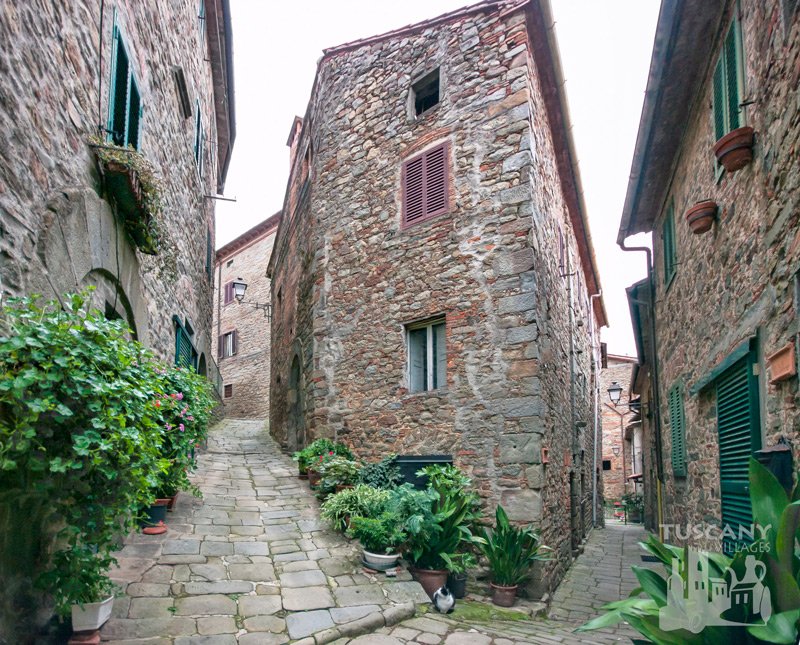
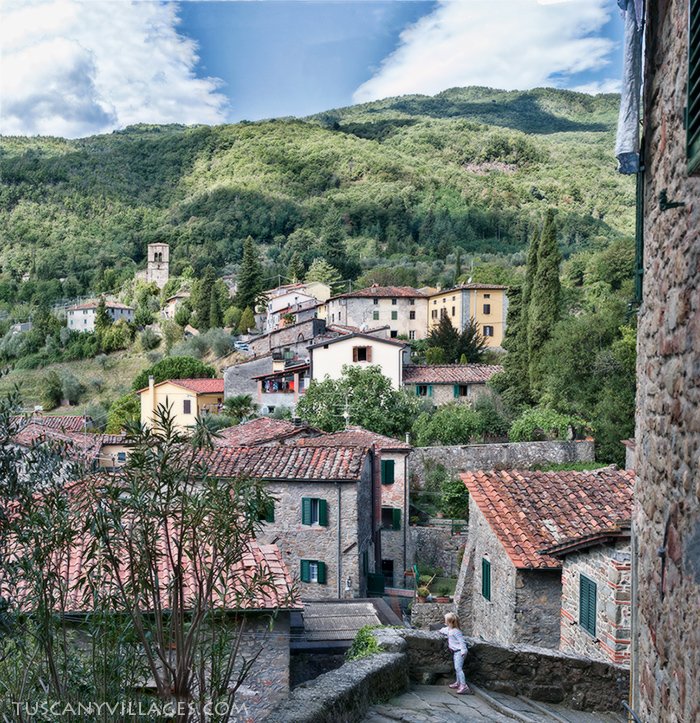
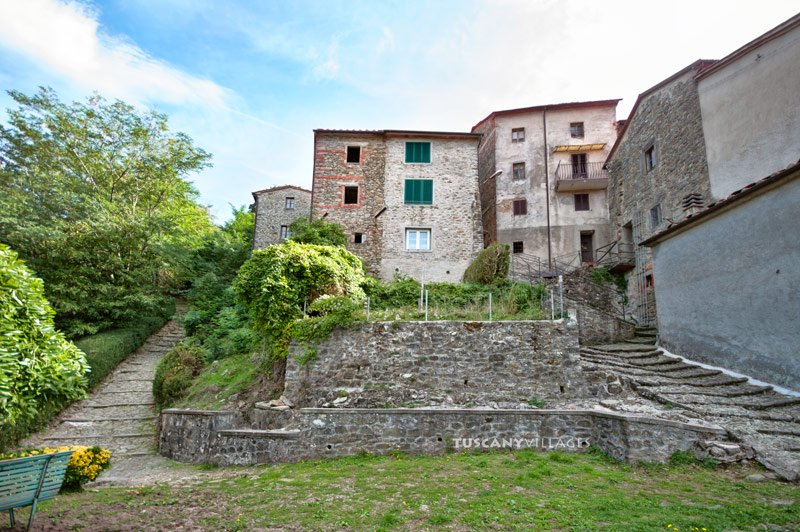
- Comfortable shoes with grip. Cobbles, stone steps and polished marble are everywhere, and they get slippery when wet. This is the number one rule.
- A plug adapter. Italy uses round-pin sockets (types C, F and L) at 230V. A UK plug won’t fit, so take an adapter. A universal one covers the lot. Most phone and laptop chargers are fine with Italian voltage, but check yours.
- A cover-up for churches. Florence’s Duomo and Baptistery want shoulders and knees covered, for men and women, and no hats. Many other churches expect the same. A light scarf or shawl in your bag solves it.
- Your GHIC (or EHIC) and travel insurance. My useful numbers guide explains how it works here.
- A small backpack or cross-body bag for day trips. Zipped, for busy trains and markets.
- A bit of cash for village bars, sagre and parking machines that don’t like your card. More in my money and tipping guide.
- Photocopies or photos of your passport and driving licence.
Spring (March to May)
Warm days, cool evenings, and some rain.
- Layers. A T-shirt, a jumper and a light waterproof jacket will cover most days.
- Something warmer for the evening, especially in the hills. Stone houses hold on to the winter chill.
- Sunglasses. The light in May is gorgeous and very bright.
- Walking shoes that don’t mind a muddy path.
Summer (June to August)
Hot, often very hot, especially in the cities and on the plain.
- Light, loose clothes in cotton or linen.
- Sun cream, a hat and sunglasses. Not optional.
- Insect repellent. Mosquitoes love a warm Tuscan evening, and so does the tiger mosquito, which bites in the daytime too.
- A refillable water bottle.
- A swim cap if you might use a public swimming pool. Italian public pools usually ask for one. Hotel pools are often more relaxed, but check.
- Water shoes for the hot springs at Saturnia and for pebbly beaches. My hot springs guide explains why.
- One smarter outfit. Italians dress up a bit in the evening, even in summer.
Remember the church cover-up. Bare shoulders on a 35 degree day are tempting. The man at the Duomo door won’t care.
Autumn (September to November)
September is still summery. October and November get cooler and wetter.
- Layers again, plus a proper waterproof and an umbrella for November.
- Shoes that cope with wet cobbles. They really are lethal in the rain.
- Something warm for the evenings, and for the hills.
- A bag for chestnuts. You’ll see why in October.
Winter (December to February)
Cold, especially in the hills, and occasionally snowy.
- A warm coat, hat, gloves and scarf.
- Thermals if you’re staying in an old stone house. Lovely, but often chilly.
- Warm slippers. Italian floors are tiles or stone.
- Boots with grip if you’re heading into the hills or the mountains.
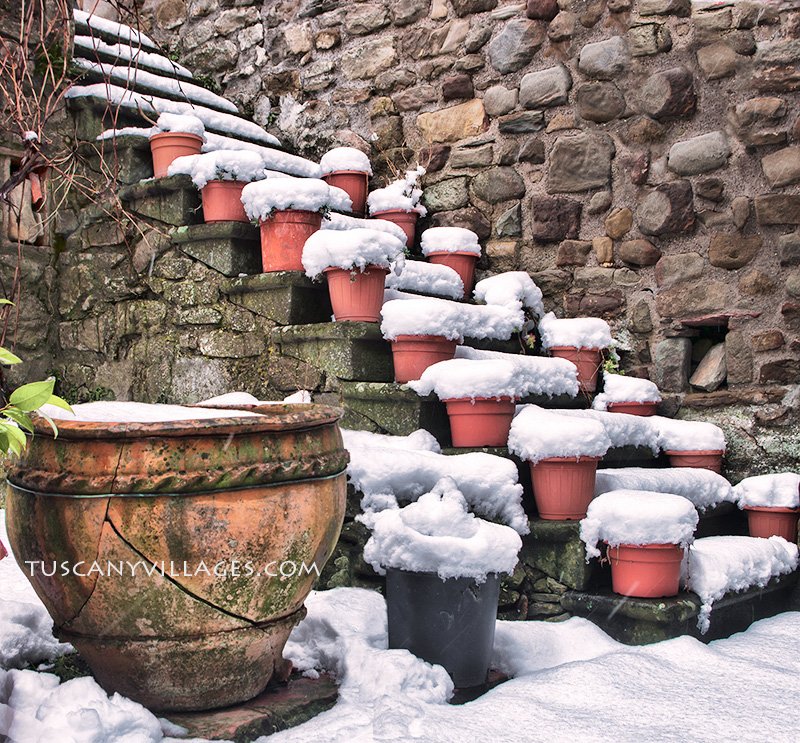
I wrote about the reality of a hill village winter in winter in the Tuscan hills. Read it before you pack.
Things you can leave at home
- A hairdryer. Most hotels and holiday lets have one. Ask.
- Heels, unless you’re staying in Florence and not leaving the flat bits.
Extras for families and dogs
- Travelling with children? See Tuscany with kids.
- Bringing the dog? See Tuscany with a dog. The paperwork matters more than the packing.
One last thing
Leave space in your case. You’ll be taking home olive oil, a bottle of wine, and probably a Pinocchio.
You might also enjoy:
- The best time to visit Tuscany, month by month
- Useful Italian phrases for village life
- Getting around Tuscany: trains, buses or driving?
Susan