Last updated: October 2026
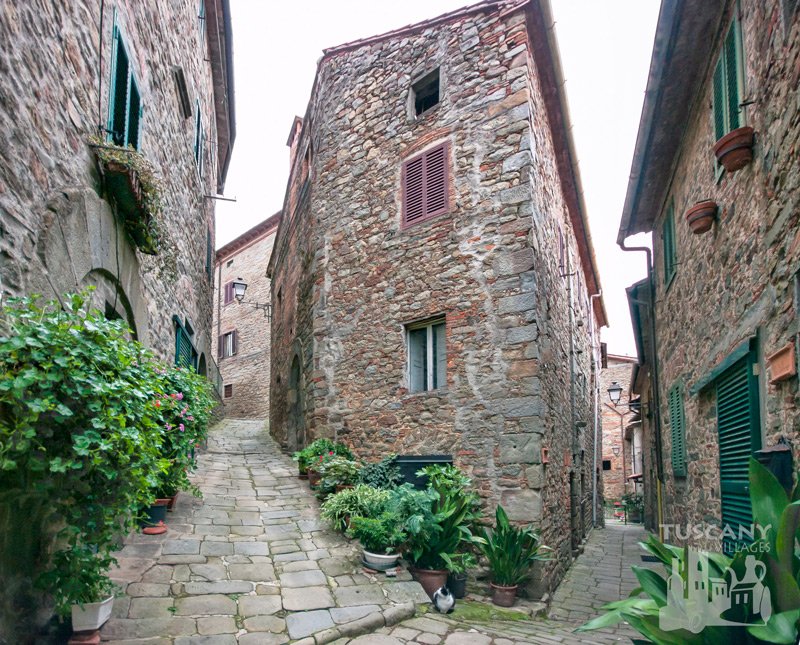
You walk into town at half past two, ready to shop. Every shutter is down. The streets are empty. The only sign of life is a cat asleep on a window ledge.
Welcome to the riposo. Here’s how money, tipping and opening hours work in Tuscany, so you’re not caught out.
Cash or card?
- Cards are accepted almost everywhere. By law, shops, bars and restaurants in Italy have to accept card payments, whatever the amount.
- But carry some cash anyway. Village bars, sagre, market stalls and parking machines can be a different story in practice.
- Cash machines are called a bancomat. Use one attached to a bank where you can.
- Always pay in euros. If a card machine or cash point offers to charge you in pounds, say no. It’s almost always a worse rate.
- Contactless is common, and phone payments are widely accepted.
Do you tip in Italy?
Tipping isn’t expected in the way it is in the UK or the US. Tips aren’t a big part of staff pay here. But a little is always appreciated.
- In a restaurant: if you’ve had good service, round up or leave a few euros on the table. Nobody will chase you if you don’t.
- In a bar: leave the small change on the counter if you like.
- Taxis: round up.
- Tour guides: a tip is a nice thank you for a good tour.
The coperto
On the bill, you’ll often see a coperto, a cover charge per person for the bread, the table and the cutlery. It’s normal, it isn’t a tip, and it must be shown on the menu before you order. If it’s on the menu, you pay it.
A servizio (service charge) is a different thing and is less common. If one has been added, you don’t need to tip on top.
How bars work
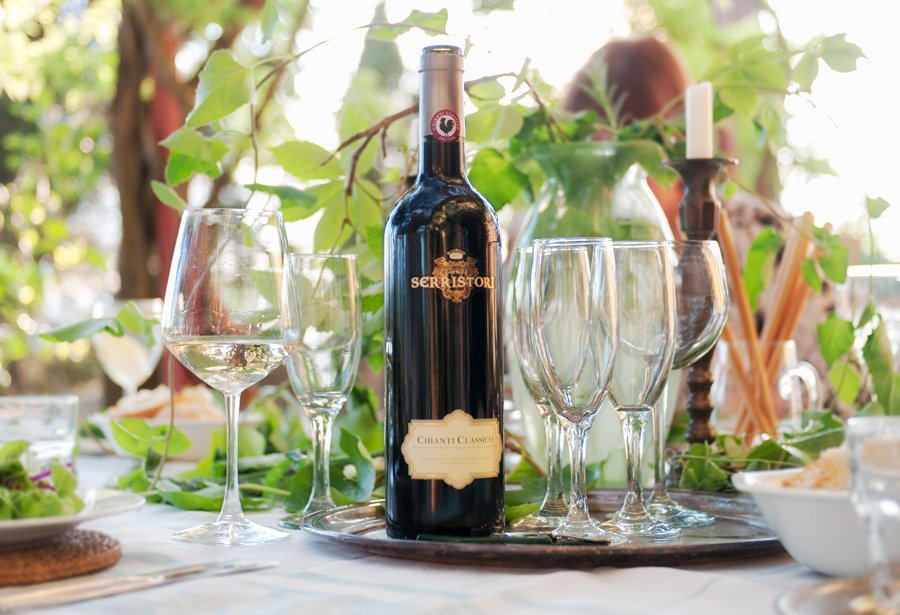
- Standing at the counter is usually cheaper than sitting at a table, where there may be table service and a higher price.
- In busy bars, you sometimes pay first at the till (cassa), then take your receipt to the counter to order.
- Cappuccino is a breakfast drink. Ask for one after dinner and you’ll get a look. They’ll still make it.
Opening hours and the riposo
This is the one that catches everyone out.
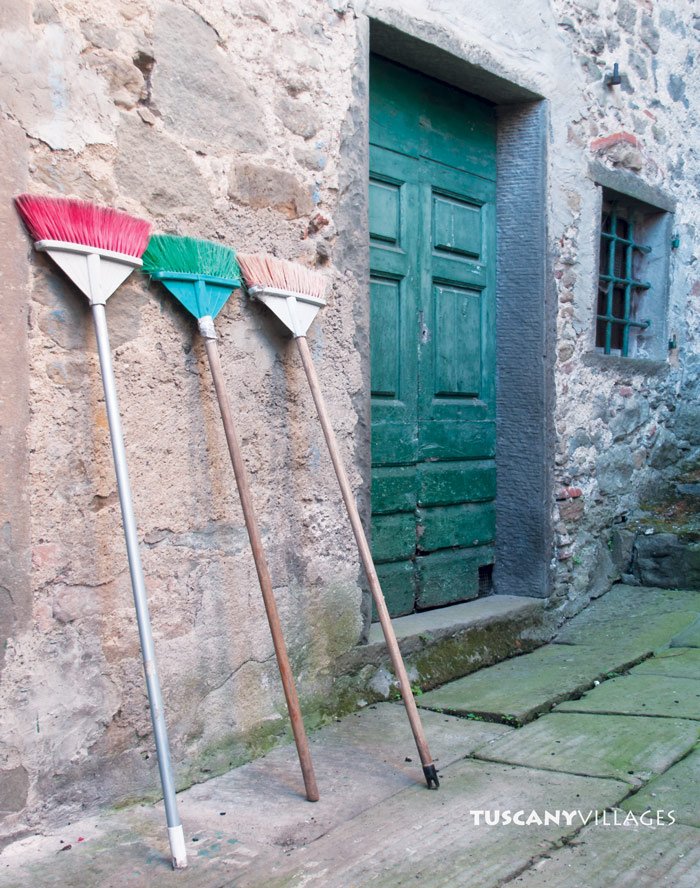
- Shops in towns and villages often open in the morning, then close for a long lunch in the early afternoon, and open again later in the afternoon into the evening. Exact times vary from town to town and season to season.
- Big supermarkets, chain shops and city centre shops in places like Florence often stay open all day.
- Sunday: many small shops close. Bakeries may open in the morning.
- Monday: some shops close for the morning, or all day.
- Restaurants: lunch is usually from around 12:30, and dinner rarely starts before 7:30pm. Kitchens may close between the two. Most restaurants have a closing day (giorno di chiusura) each week, so check.
- August: many family businesses close for a week or two around Ferragosto (15 August).
- Winter: in villages and at the seaside, some places shut for the season.
Look for the sign on the door: aperto is open, chiuso is closed, and orario is the opening hours.
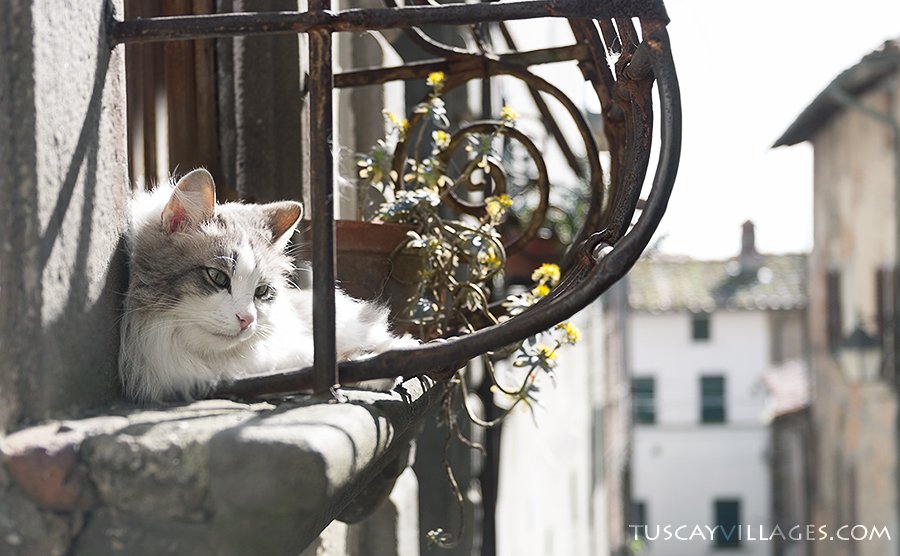
My advice? Do your shopping in the morning, have a long lunch, then join the cats for a snooze.
Museums
- Many state museums close on Mondays, including the Uffizi and the Accademia in Florence. Plan around it.
- First Sunday of the month: state museums are free (Domenica al museo), including the Uffizi, Palazzo Pitti and the Boboli Gardens. No booking, so expect queues.
- Book ahead for the big ones in Florence on other days.
- Churches often close at lunchtime too, and during services you shouldn’t wander round.
Public holidays
On public holidays, banks and many shops close and trains and buses run a holiday timetable. They include 1 January, 6 January, Easter Monday, 25 April, 1 May, 2 June, 15 August, 1 November, 8 December, 25 and 26 December, and, from 2026, 4 October (San Francesco). Towns also close for their own patron saint’s day. My month by month guide has the full table.
Pharmacies
Pharmacies usually keep shop hours, but there’s always one on duty at night and on Sundays. The rota is posted on every pharmacy door. More in my useful numbers guide.
The tourist tax
Many comuni charge a tourist tax (imposta di soggiorno) per person per night. It’s usually paid at your accommodation, and it often isn’t included in the price you booked. Ask when you arrive.
Quick summary
- Cards everywhere, but carry some cash.
- Pay in euros.
- The coperto is normal. Tipping is optional.
- Shop in the morning. Expect the riposo.
- Museums often close on Mondays.
- Check holidays and patron saints’ days.
For more money-saving ideas, see Tuscany on a budget.
You might also enjoy:
- Useful Italian phrases for village life
- Tuscany market days
- What to eat in the Lucca and Pistoia hills
Susan