Last updated: October 2026
I lived in a hill village above Pescia for about eight years. So I’m biased. Hugely.
But a village isn’t right for everyone. It depends on if you’ll have a car, who you’re with and what you want from your days. Here’s the honest version of each option.
A town or city
Think: Lucca, Pistoia, Pescia, Montecatini Terme, Siena, Arezzo, Florence.
Why it’s great:
- You can walk out of the door to coffee, dinner and a stroll.
- Most are on the train line, so you don’t need a car. See my Tuscany without a car guide.
- Restaurants, shops and pharmacies are open when you need them.
- Something’s always going on in the evening.
The catch:
- Rooms in the famous centres (Florence, Siena, inside Lucca’s walls) cost more.
- Parking is a pain, and the ZTL cameras are waiting. Read my driving guide before you book a place with “parking nearby”.
- Noise. Bells, scooters and late diners.
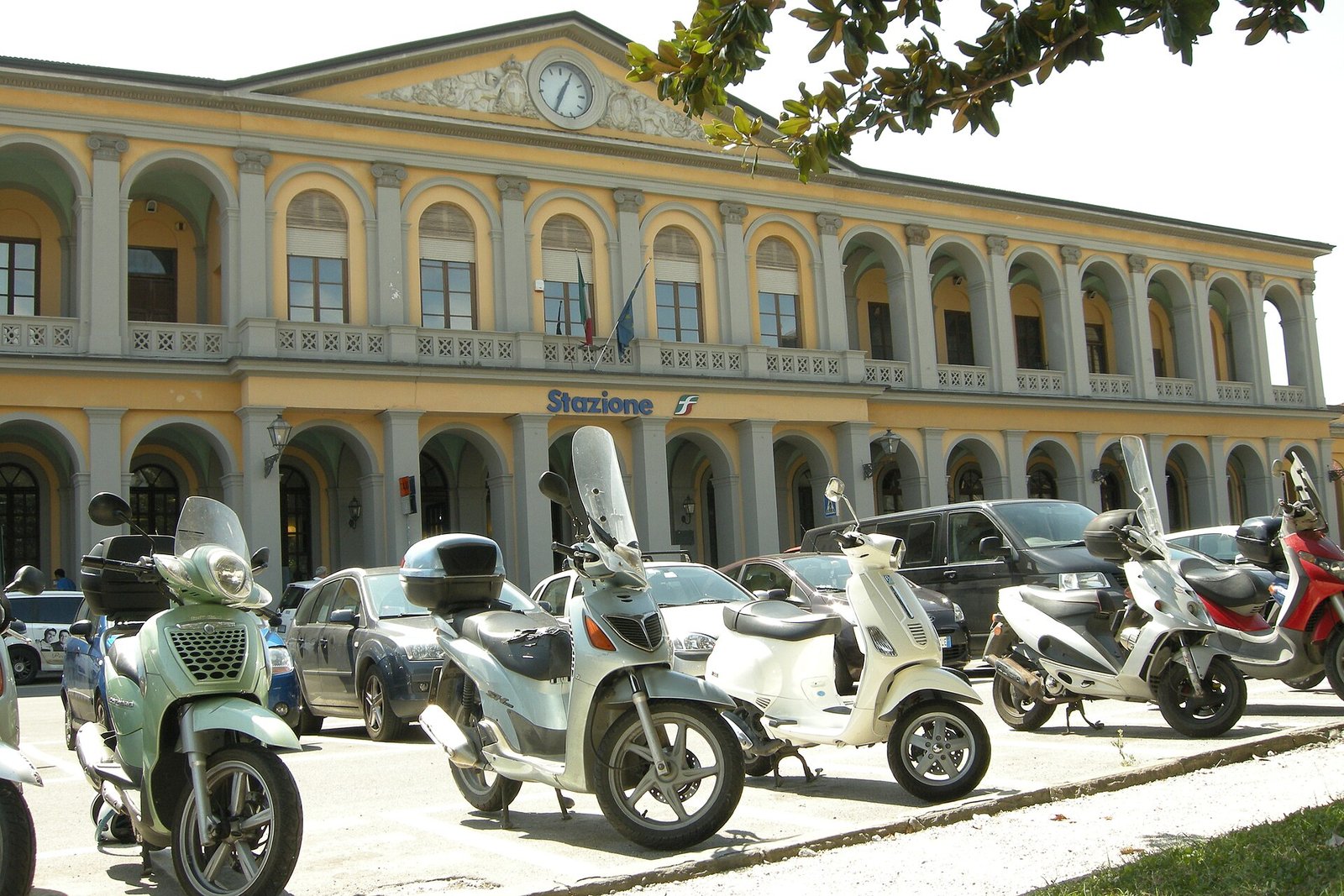
Best for: first-timers, no car, short stays, people who like a buzz.
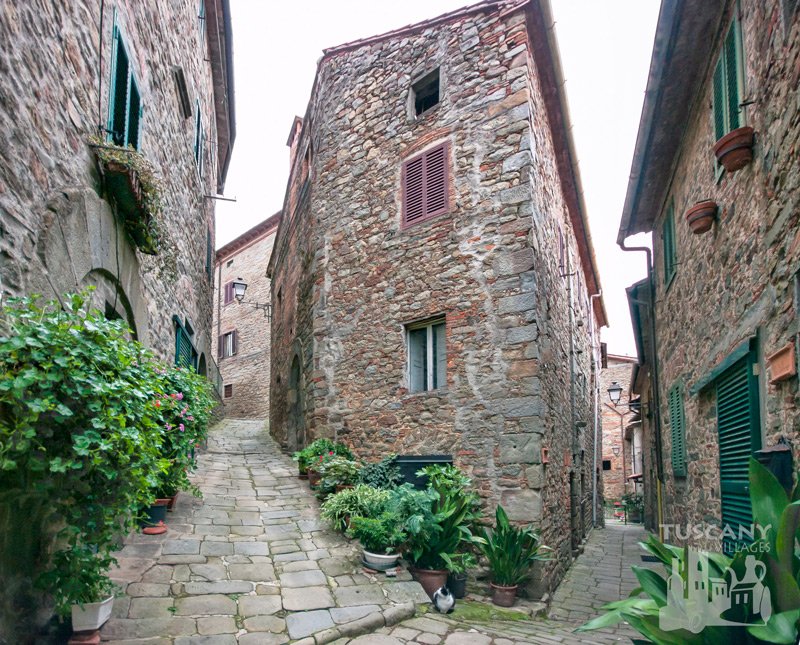
A hill village
Think: the ten castle villages of the Svizzera Pesciatina, Barga, or any of the villages in my villages of Tuscany guide.
Why it’s great:
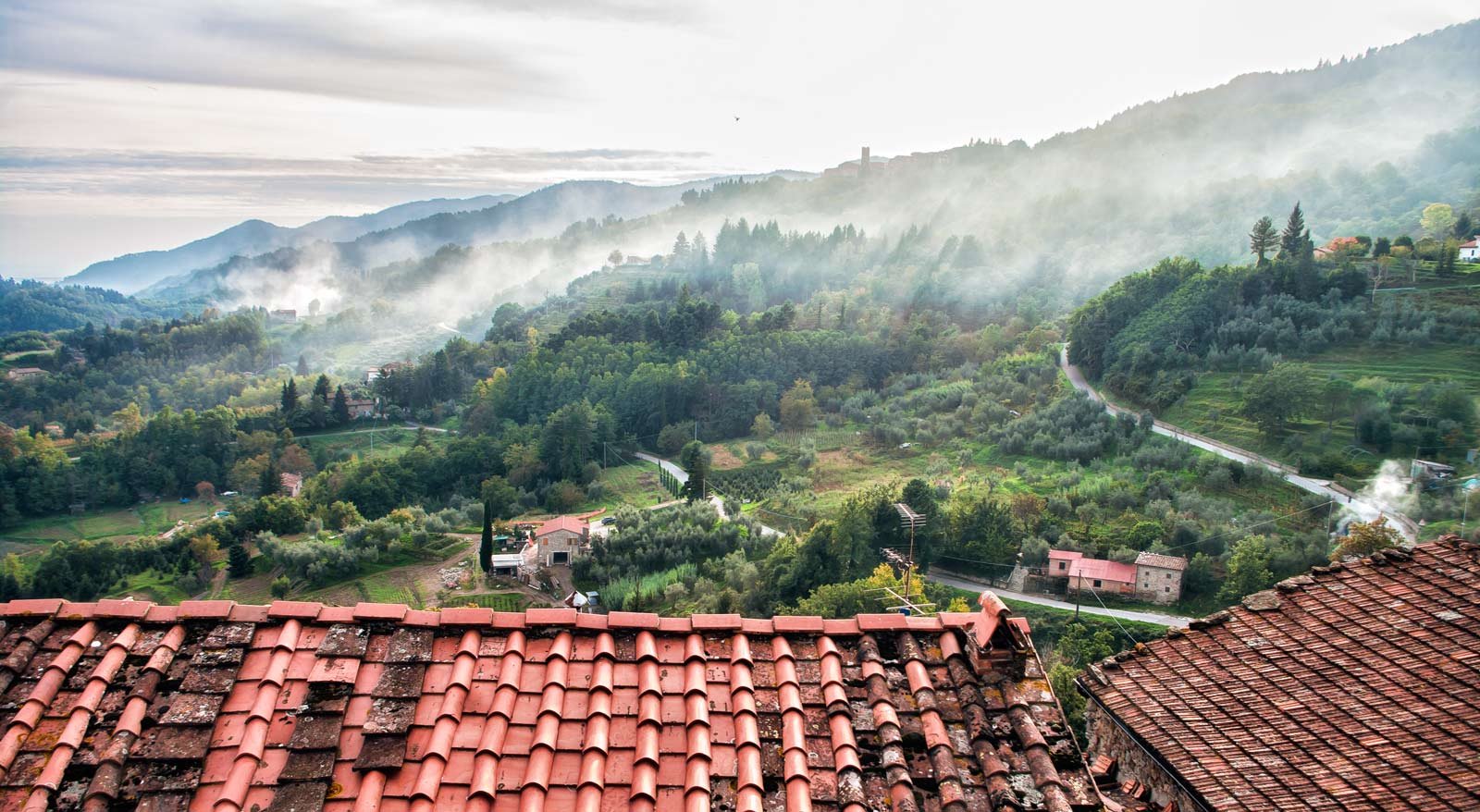
- The views. You wake up above the clouds on misty mornings.
- The quiet. Church bells, birds, a neighbour calling across the lane.
- The real Italy. You buy bread from the same shop, the bar learns your order, and the village cats decide if you’re allowed to stay.
- Sagre in summer, right on your doorstep.
The catch:
- You need a car. Buses into the hills are few and far between.
- Steps. Lots of them. Many village houses have no road to the door, so you’ll carry your bags up a lane.
- Fewer services. There may be one bar, one small shop, or nothing at all. Some close in winter.
- Winter is chilly in stone houses. I wrote about it in winter in the Tuscan hills.
Best for: people with a car, longer stays, walkers, writers, anyone who wants to slow right down.
An agriturismo
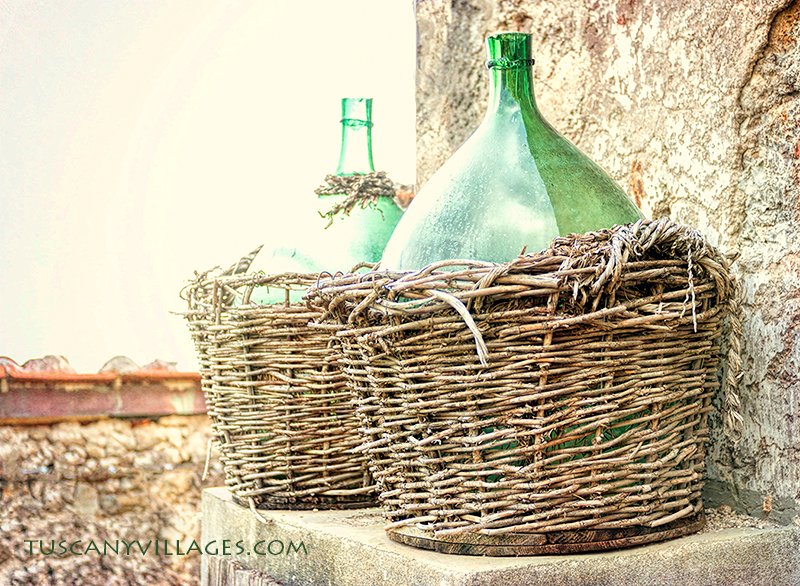
An agriturismo is a working farm that takes guests. They range from a few simple rooms to apartments with a big pool. Many make their own wine or olive oil, and some cook dinner for guests, which can be the best meal of your trip.
Why it’s great:
- Space, peace and often a pool.
- Home-grown food and wine.
- Good for families and groups, who can spread out.
The catch:
- You need a car, almost always.
- Some are at the end of long white gravel roads (strade bianche). Ask before you book.
- You can feel a bit cut off without a car or a plan.
- The pool may only be open in the warmer months. Check.
Best for: families, groups, foodies, a summer week by the pool.
Quick picker
| If you… | Stay in… |
|---|---|
| Don’t drive | A town on the railway, like Lucca, Pistoia or Florence |
| Want peace and views | A hill village |
| Have kids and want a pool | An agriturismo |
| Are here for a weekend | A town |
| Are here for a fortnight | Split it: a town, then a village or farm |
| Are coming in winter | A town, or a village house with good heating |
Splitting your stay
On a longer trip, don’t pick one. Do a few nights in a town on the train line, then move up into the hills or onto a farm. You get both kinds of Tuscany, and you only need the hire car for the second half.
Booking tips
- Look for the CIN. Since 2025 every holiday let in Italy needs a national ID code (the CIN), and it must be shown in the listing. No CIN is a warning sign.
- Check the tourist tax. Many comuni charge an imposta di soggiorno per person per night. It’s often paid on arrival, so check whether your booking price includes it.
- Ask about the last bit of road. Is it tarmac, gravel or a goat track? Is there parking by the door?
- Ask about heating and air conditioning. Stone houses are cool in summer and cold in winter.
- Check what’s walkable. A bar, a shop, a restaurant. “Peaceful” can mean “twenty minutes’ drive from a loaf of bread”.
- Read recent reviews, not just the photos.
Near Lucca and Pescia?
That’s my old patch, and I’ve done a whole guide to it: where to stay near Lucca and the Svizzera Pesciatina, with Lucca, Pescia, Collodi, Montecatini, Montecarlo, Bagni di Lucca and the hill villages.
And if you fall so hard you want to buy a house in a village? Read about Otello and buying a Tuscan village home first.
You might also enjoy:
Susan
Photo credits: Lucca railway station, just outside the city walls (photo: DV, CC BY-SA 4.0, via Wikimedia Commons). All other photos are my own.