Last updated: October 2026
In October the woods round our villages fill up with people carrying bags, sticks and gloves. They’re not lost. They’re after chestnuts.
For centuries, up in the hills of Lucca and Pistoia, the chestnut was called “the bread tree”. Wheat wouldn’t grow on those steep slopes. Chestnuts would. Dried and ground into flour, they fed whole villages through the winter. Families had their own trees, and villages had their drying huts.
Today chestnuts are a treat, not a necessity. But the season is still one of the best times to be in the hills.
When is chestnut season?
From late September into November, with October the heart of it. The spiky green husks (ricci, “hedgehogs”) split open and drop the shiny brown nuts on the ground. The woods smell of damp leaves and woodsmoke.
Castagne and marroni
You’ll see two words:
- Castagne are ordinary chestnuts, several to a husk, smaller and flatter.
- Marroni are the posh ones: bigger, rounder, sweeter, easier to peel, and fewer to a husk.
Both are good. Marroni cost more.
The drying huts
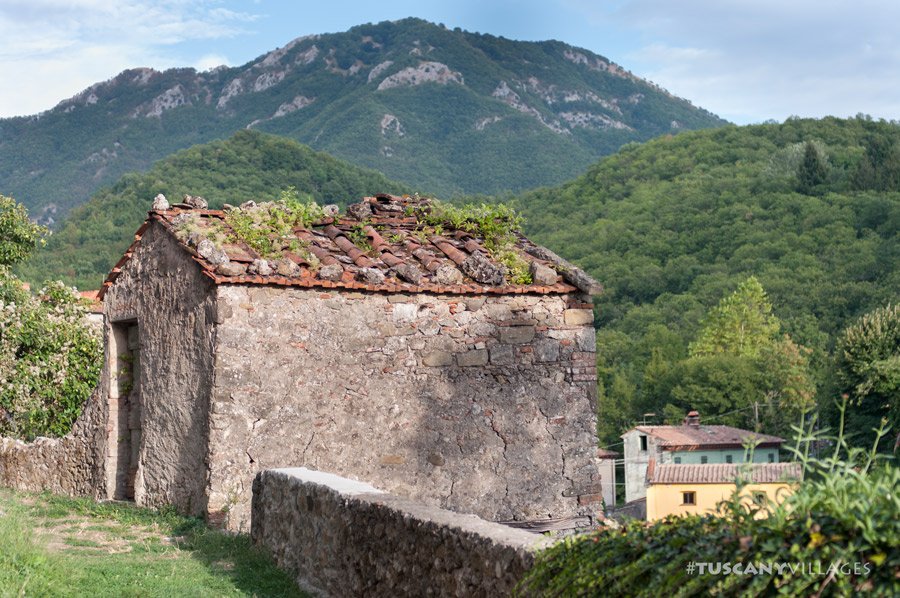
Up in the woods you’ll still see small stone huts, some roofless, some lovingly kept. These were the metati, or seccatoi: chestnut drying huts. Fresh chestnuts were spread on a slatted floor upstairs, and a slow, smoky fire burned below for weeks. The dried nuts were then peeled and taken to the mill to be ground into flour.
What to eat
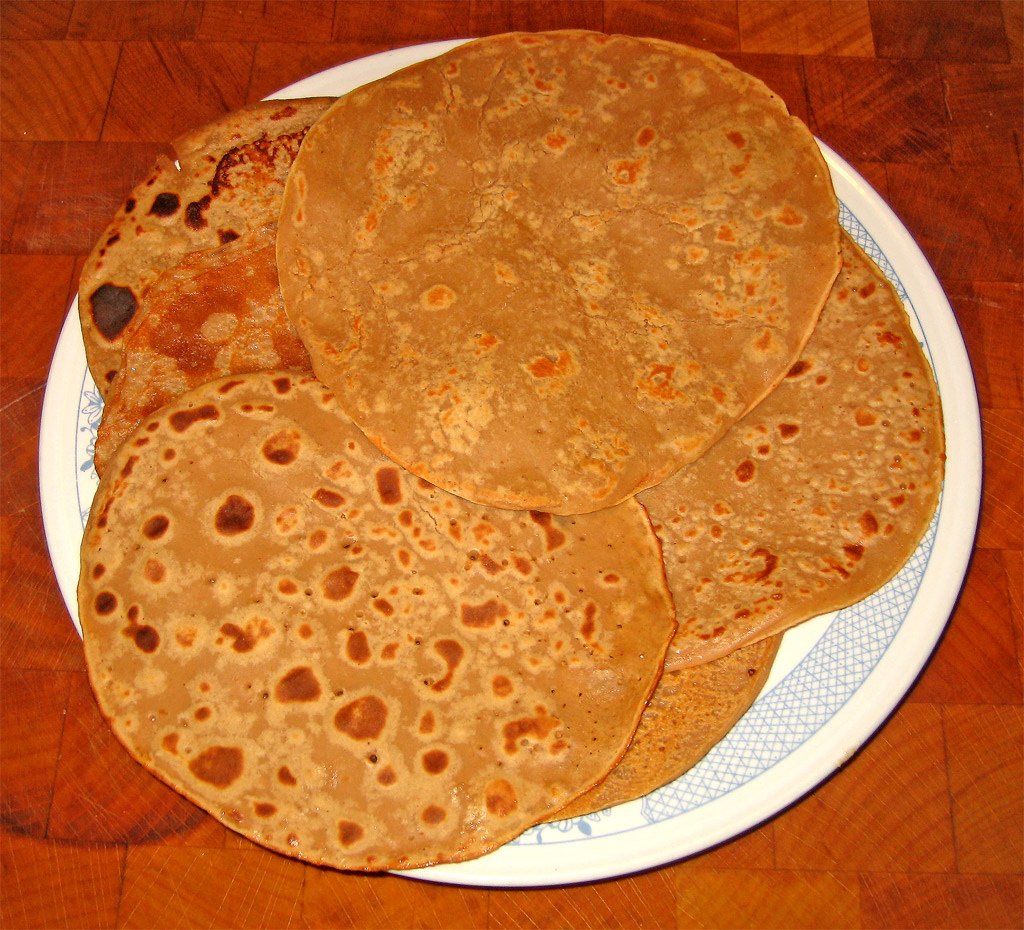
Necci. The classic. Thin pancakes made with chestnut flour, water and a pinch of salt, traditionally cooked between hot stone discs layered with chestnut leaves, or in long-handled irons over the fire. They’re rolled round fresh ricotta, sometimes with a little sausage. Sweet, smoky and very filling. Eat them hot, at a sagra, standing up.
Castagnaccio. A flat cake of chestnut flour, olive oil, pine nuts, raisins and rosemary. No sugar, no eggs. Dense and earthy. You’ll love it or politely pass it on.
Roast chestnuts. Roasted in a pan with holes over an open fire, they’re called frugiate in our valley, or bruciate elsewhere. Smoky, sweet, black fingers guaranteed.
Ballotte. Chestnuts boiled in their skins, sometimes with fennel seeds or a bay leaf. Simple and warming.
Polenta dolce. Sweet polenta made with chestnut flour, the old mountain winter food.
More local dishes in my guide to what to eat round Lucca and the hills.
Protected chestnuts and flour
Tuscany takes its chestnuts very seriously. Look out for these protected names:
- Farina di Neccio della Garfagnana DOP. Chestnut flour from the Garfagnana. The rules say the chestnuts must be gathered between 1 October and 30 November, dried in a metato for at least 15 days over a slow fire of chestnut wood only, and ground with stone mills.
- Farina di Castagne della Lunigiana DOP, from the far north of Tuscany.
- Castagna del Monte Amiata IGP, from the old volcano in southern Tuscany.
- Marrone del Mugello IGP, from the hills north of Florence.
- Marrone di Caprese Michelangelo DOP, from the village where Michelangelo was born.
Chestnut flour is perishable. Buy it fresh in autumn and winter, keep it in the fridge, and use it up.
Chestnut festas
Every weekend in October, somewhere in the hills, there’s a chestnut sagra: necci, roast chestnuts, wine and music, run by volunteers. In our valley, Vellano (one of the ten castle villages) holds the Sagra delle Frugiate in early October. Over towards Romagna, Marradi holds a famous chestnut festival every Sunday in October.
Find them in my sagre month by month.
Gathering chestnuts
A few manners, please:
- Many chestnut woods are private, and still harvested. If a grove is fenced, cleared underneath or has nets down, the chestnuts belong to someone. Leave them.
- Ask if you’re not sure. People are usually kind about it.
- Wear gloves and strong shoes. The husks are viciously spiky.
- Watch out for hunters in autumn, and don’t wander off the paths in thick woods.
Back at home, cut a cross in each one before roasting, or they explode all over the kitchen.
You might also enjoy:
Susan
Photo credits: Necci, chestnut flour pancakes (photo: fugzu, CC BY 2.0, via Wikimedia Commons). All other photos are my own.