Last updated: October 2026
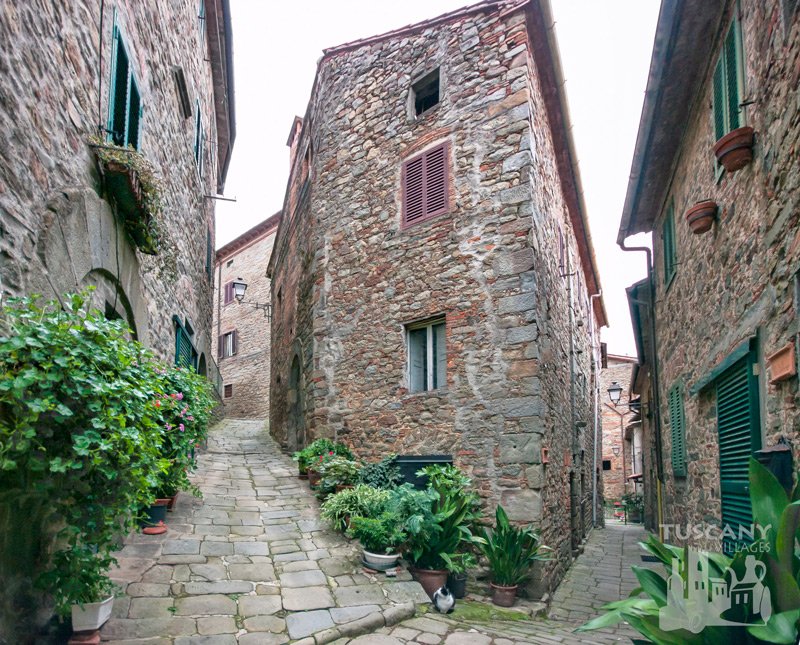
Let’s be honest from the start. Tuscany was built on hills, by people who loved steps. Cobbles, steep lanes, medieval doorways and stairs everywhere.
But a lot of it is very doable with a bit of planning, and things are getting better. Here’s what I’d want to know.
Getting here: Pisa airport
Pisa is the nearest airport to Lucca, Pescia and Pistoia. For help getting through the airport and onto the plane:
- Book assistance with your airline at least 48 hours before you fly. It’s free.
- On the way home, be at the assistance point 2.5 hours before your flight.
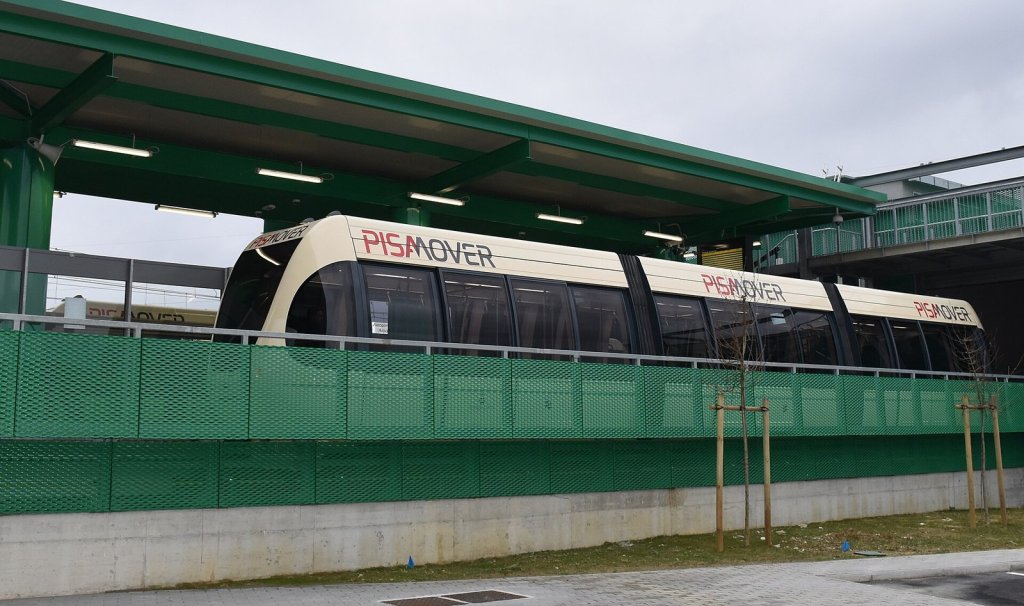
- The PisaMover shuttle train links the airport and Pisa Centrale station.
My airport guide has the routes from both Pisa and Florence airports.
Trains: Sala Blu assistance
Italy’s rail network has a free assistance service for disabled passengers and people with reduced mobility, called Sala Blu. Staff can meet you, help you on and off the train and use a lift or ramp where it’s needed.
- Call 800 90 60 60 from an Italian landline, or +39 02 32 32 32 from a mobile or from abroad.
- Open every day from 6:45am to 9:30pm.
- Book at least 12 hours ahead. Some stations take bookings just 1 hour ahead, but don’t count on it.
- You can also book through Trenitalia’s or RFI’s websites.
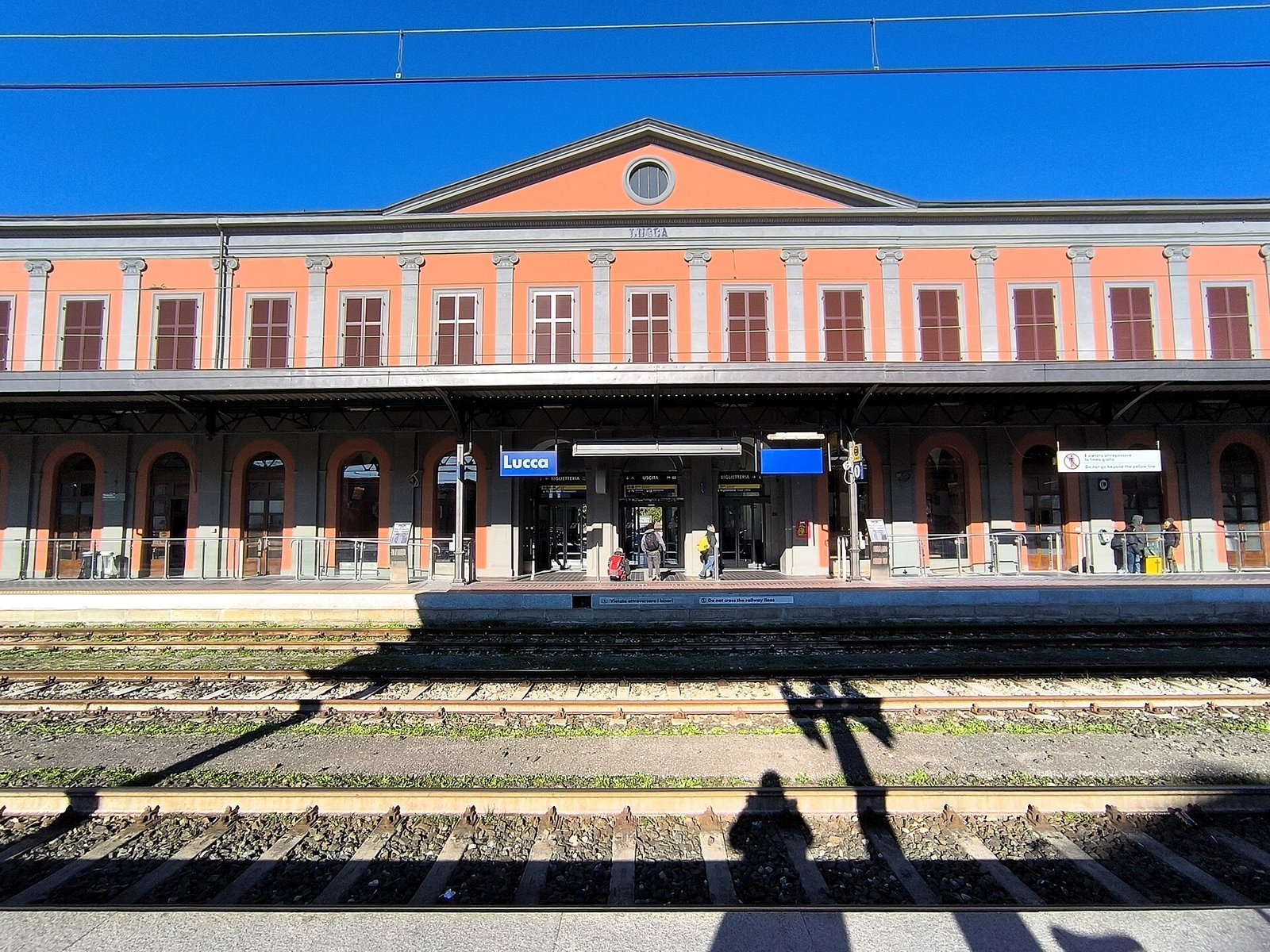
Not every station has the service, and some small rural stations have steps or no lift. Check your exact stations when you book. My train guide explains tickets.
Driving and parking: Blue Badge news
Good news for 2026. Since 15 October 2026, the UK Blue Badge is recognised in Italy, for disabled parking bays and access to the limited traffic zones (ZTLs).
One catch. ZTL cameras read number plates, not badges. Before you drive into a town centre, contact the comune (or ask your hotel to) and get your hire car’s plate registered, so you don’t get a fine in the post. Read my driving guide for how ZTLs work.
Museums and sights
- State museums in Italy are free for disabled visitors and one companion. Take proof of disability.
- The Leaning Tower of Pisa is free for a disabled visitor and one companion, but you must book at least 5 days ahead through the accessibility office of the Opera della Primaziale Pisana (details on the official website). The climb itself is steep and narrow, and isn’t advised for people with mobility problems. The square, the cathedral and the views are lovely anyway.
- Garzoni garden in Collodi: only the lower part of the garden and the Butterfly House are accessible. The upper garden is all steps.
- Check each site’s website. Many have lifts, accessible loos and wheelchairs to borrow, but not all.
Which places are easier?
Easier:
- Lucca. The old town inside the walls is flat, and the top of the walls is a wide, flat, tree-lined path. Cobbles here and there, but it’s one of the friendliest Tuscan towns for wheels.
- Pisa’s Piazza dei Miracoli. Flat, with wide paths.
- Montecatini Terme. The spa town down on the plain is flat and spacious.
- Florence. Flat in the centre, but crowded, and the pavements are narrow and bumpy.
- The Versilia seafront. Long flat promenades at Viareggio, Lido di Camaiore and Forte dei Marmi.
Tougher:
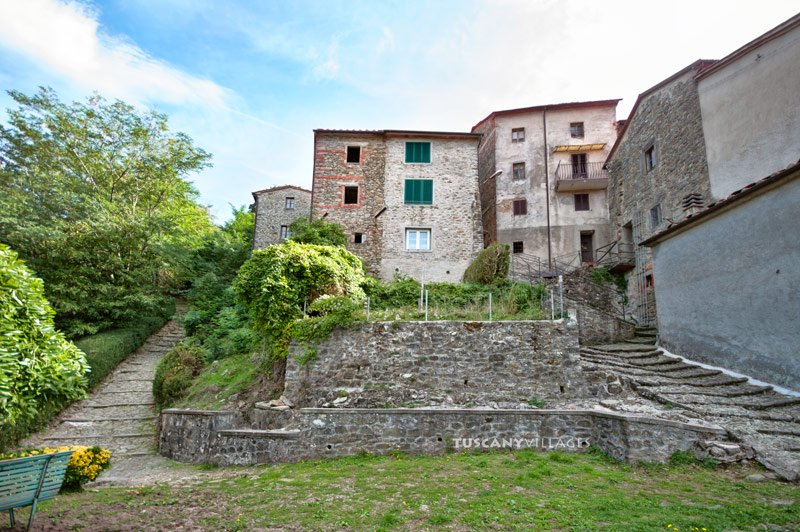
- Hill villages. Steep lanes and steps are the whole point of them. Many houses have no road access at all.
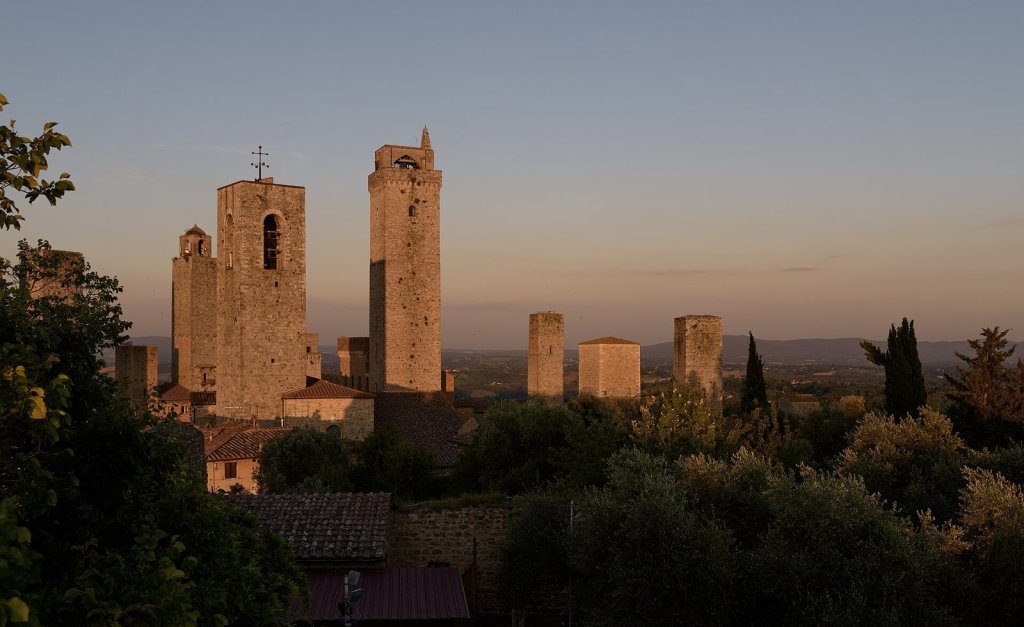
- Hill towns like Siena, San Gimignano, Cortona and Montepulciano. Steep in places.
- Free hot springs. Natural rocks, slippery paths, no facilities. The Fosso Bianco at Bagni San Filippo isn’t suitable for wheelchairs.
Beaches
The free beach at Motrone, in Marina di Pietrasanta, is equipped for disabled visitors. Some beach clubs have walkways down to the sea and accessible changing rooms, so ask before you book. See my Versilia beach guide.
Where to stay
- Ask very specific questions. “Accessible” can mean anything from a fully adapted room to “there’s only one step”. Ask about steps to the door, lift size, door widths, the shower and the parking.
- Choose a flat town on the railway as your base, like Lucca, Pisa or Montecatini.
- Check the last bit of road. Gravel drives and cobbled lanes are common.
My guide to where to stay in Tuscany covers the pros and cons of towns, villages and farms.
Useful bits
- Pharmacies (farmacie) are everywhere and very helpful. Look for the green cross.
- Emergency number: 112. My useful numbers guide has more.
- GHIC: take it, plus proper travel insurance that covers your mobility equipment.
Tuscany isn’t the easiest place for wheels. But Tuscans are kind, and there’s nearly always someone happy to help with a step or a door. Plan ahead, and go.
You might also enjoy:
Susan
Photo credits: The PisaMover, between the airport and Pisa Centrale (photo: AndrPr, CC BY-SA 4.0, via Wikimedia Commons); The platforms at Lucca station (photo: Dobroš, CC BY-SA 4.0, via Wikimedia Commons). All other photos are my own.